

Bad Mentors Don't Yell… They Say Nothing.
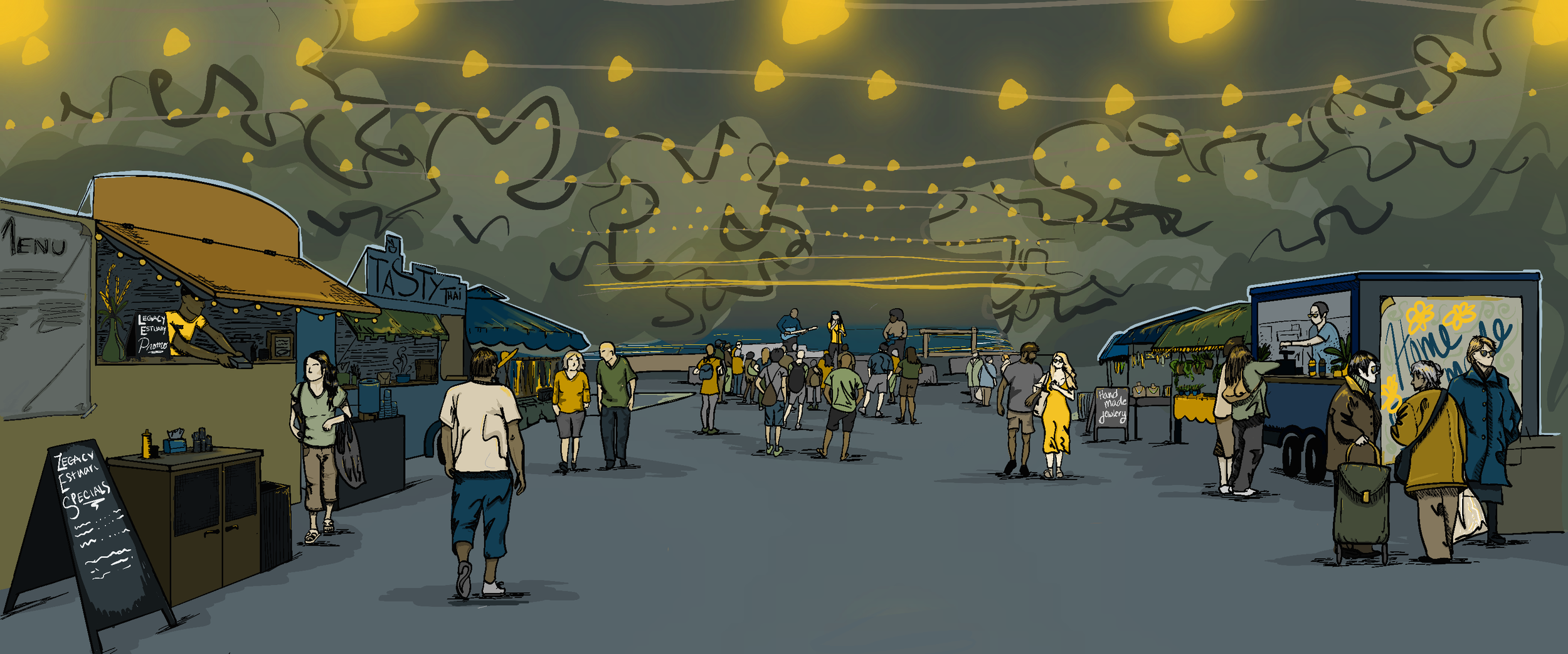
My cheeks burned hot before I even opened my mouth.
I had spent days on that design. A small backyard. My first real project since graduating, my first time stepping into that particular kind of vulnerability again. I knew the plant palette. I understood the layout. I had thought it through carefully and honestly, and somewhere underneath the nerves… I knew it was good.
But knowing something is good and standing in front of someone waiting for their thoughts are two entirely different experiences.
I walked her through it. My words came out faster than I intended, tripping over each other, my heart somewhere in my throat the entire time. And then I finished. The last sentence landed… and I waited.
The silence that followed felt like it lasted eons.
This is great. I love this. I think it's wonderful.
That was it.
I didn't know what to do with that. I had come ready to defend my decisions, to talk through alternatives, to sit inside the discomfort of someone pushing back on my thinking. I had braced for impact and the impact never came.
What I felt instead was something I didn't expect.
Disappointment.
Disappointment?? Am I crazy??
I know how that sounds. A designer receives glowing feedback on her first professional project and walks away disappointed. But here's what I've come to understand about that moment: empty feedback is its own kind of brutal. It just wears a friendlier face.
When someone tells you it's wonderful with no explanation of why, no questions, no curiosity about how you got there, they haven't actually seen your work. They've dismissed it politely. And for a designer who has put real thought into something, who has made deliberate decisions and wants to know whether those decisions landed, politeness without substance is not encouragement.
It's a closed door dressed up as an open one.
I want to go back further. To a moment that taught me what the open door actually feels like.
The Project that Crushed Me
Fourth year at Cal Poly. Quarter system, which means everything moves fast and there is never quite enough time. I had pinned up a project I'd been absolutely toiling over. It was a big one. My peers had gathered. A professor from the department had been invited to critique, someone with a reputation for her mighty hammer of constructive criticism.
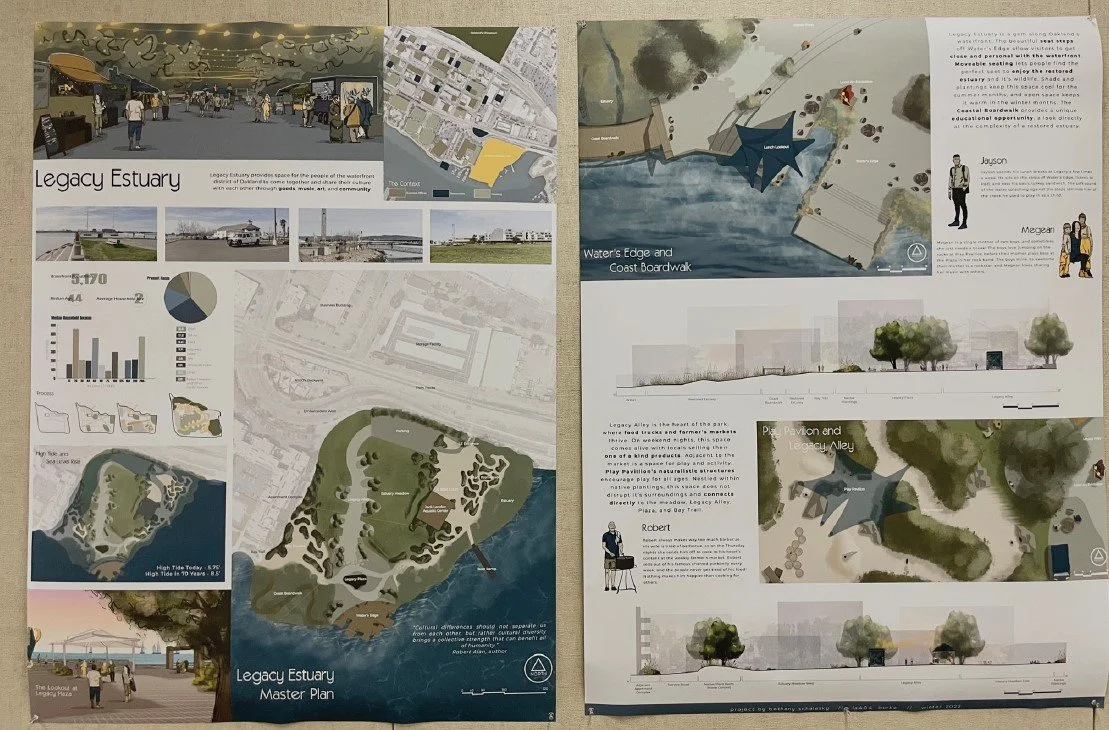
I got a BRUTAL critique on this project 2 weeks before final pin up. Cried in the bathroom. Went back to studio. Redesigned the ENTIRE thing.
Ended up being one of the best college projects I did. Most encouraging. Best feedback. Life-changing praise.
I gave my presentation. My peers were generous. Kind. And then this professor folded her hands and began.
Well… It's just not good. The layout makes no sense. Your process skips a beat. I don't see how you got from your concept diagrams to your schematic design. Go back to the concept. Rework it. Give it more meaning.
Shit.
Two weeks left in the quarter. Every word she spoke felt like an anvil in my gut. I pressed to speak, but my throat tightened. My hands went cold. The tears welling… not falling, balancing… pressing against my lower lashes. The tension in that moment. I peeped a quite thank you and immediately dashed to the restroom.
I stood there in the farthest stall. I cried.
But something in me shifted once the tears ran dry.
I had a direction.
I biked home that afternoon with something I hadn't had before she spoke: a spark. A real one. Not the manufactured motivation of a deadline, but the specific, clarifying urgency of knowing exactly what was wrong and believing (because she had implied it clearly enough) that I was capable of making it right.
I sat down at my computer and started over. I went back to the site visit. I questioned every decision. I rebuilt the concept from something real and let the design follow honestly from there.
Ten days later I pinned up the best project I had made in college. Not the best project given the constraints. The best project. Period. There were professionals in the room alongside the professors, and the feedback I received that day is still something I reach for when I need to remember what it feels like to know your work is genuinely good.
And at the end of the room, that professor looked at what I had made.
She gave me a single quiet nod.
I knew you could do it.
That project became my highlight portfolio project. That project opened doors. That project did more for my confidence as a designer than any amount of this is wonderful ever could have.
Because she had been willing to tell me the truth.
Feedback Rides on Why
That contrast: the deflating warmth of I love it versus the gut-punch gift of go back and try again. That sat with me for a long time after both of those moments happened. It wasn't until a few weeks ago, sitting across from a new friend over a glass of wine, that I finally had the language for what I'd felt.
She's early in her career too. We were swapping stories, the kind you only tell people who already know the terrain.
We'd both come from programs where critique was a full contact sport. You pinned your work to the wall and within minutes it was being dismantled in front of everyone. It hurt every time. Every time, it built something. We knew no other way.
What we found in the professional world was a different animal entirely. Feedback without a why. Redlines without reasoning. Opinions handed down with no invitation to respond, no question asked, no curiosity about how the work got to where it was.
And sometimes, even worse, nothing at all. Just this is great… hanging in the air. No weight. No strength.
We sat there and named it together: that's not critique. That's noise.
And noise, delivered to a creative over and over again, does something that takes a long time to undo.
Sometimes I Wish Design was Like Math! (I’m not sure that’s been said before…)
In math, the error is findable. The formula corrects. The answer is either right or it isn't.
Design is personal. It's built from intuition and pattern recognition and spatial thinking and years of absorbed influence and the willingness to put something genuinely vulnerable on the table, asking people what they think. That requires confidence. Not arrogance. A quiet, real belief that your thinking is worth something.
I had that belief walking into that first professional presentation. Cheeks hot, heart racing, words coming out faster than I intended… but underneath all of it, I knew what I had made was good. I knew my thinking was sound.
Then, the I love it landed and took all my gusto with it. There was nothing to push against. Nothing to sharpen myself on. Nothing that told me my thinking had actually been seen.
When feedback strips away the why, what a designer hears is not this layout needs work.
What they hear is: your instincts are off. Figure it out yourself.
That kind of response, delivered repeatedly, doesn't sharpen a designer. It shrinks one. And a designer who has stopped trusting her own thinking will never produce her best work.
The deliverable on the table is the surface. Underneath it are weeks (sometimes months) of site visits, analysis, concept development, iteration, constraint-solving, and decision-making. Every line on that plan is the result of a process. Every material choice reflects a tradeoff worked through long before presentation day.
To critique only what's on the table is to critique the last five percent.
The other ninety-five, the thinking, the process, the sequence of decisions that made the outcome possible, that's where the real conversation lives. That's where improvement actually happens. Fine-tune the process, and the deliverables follow. Not just once. Every time.
Caring is Not Always Gentle
Useful critique doesn't have to be gentle. I'm not asking for compliments dressed up as feedback. I'm asking for substance.
It sounds like: the concept isn't reading in the layout, here's where I think that disconnect is happening.
It sounds like: this material choice is fighting the site context. What were you responding to when you made it?
It sounds like: will you walk me through your thinking?
That last one is a question. Not a verdict. An invitation to think out loud which requires the senior designer to be curious, not just opinionated. That kind of engagement tells a junior designer something that matters: your process is worth examining. I'm not here to judge what you produced. I'm here to help you understand how you got there and how to get somewhere better.
That professor who told me my project was lacking direction, she didn't do me a kindness by being harsh.
She did me a kindness by paying attention.
By believing I was capable of more and being willing to say so out loud. By trusting that I could handle the truth more than I needed to be protected from it.
Ten days, really. The best project I'd ever made.
That's what one honest critique can do.
That's what mentorship actually looks like.

My favorite group studio project pin-up. Went though MANY rounds of harsh critique, yet found great confidence in ourselves in the end (if you cant tell).
This is how we build better designers.
By investing in the thinking behind the work. Not by handing down verdicts.
Confidence in your process is what eventually produces design you're proud of! Design that's yours! Design that reflects real intention and real clarity!
The work is only as strong as the thinking that made it. If we want exceptional creative output, we have to be willing to go back and do the real work of mentorship.
I'm curious, have you experienced design critique that genuinely built you up rather than shut you down?
What made it land the way it did?
