

Pick Carefully! The Relationship Comes Before the Result
I have seen a lot of apologetic clients.
They reach out, describe their yard with embarrassed exhaustion, and somewhere in the mess they say something like I'm sorry, I know it's a disaster or I don't even know where to start, it's kind of a total wreck.
And every time, I have the same gut feeling.
Excitement.
A messy yard is not a problem. It is an opportunity. And the worse they describe it, the more interested I become.
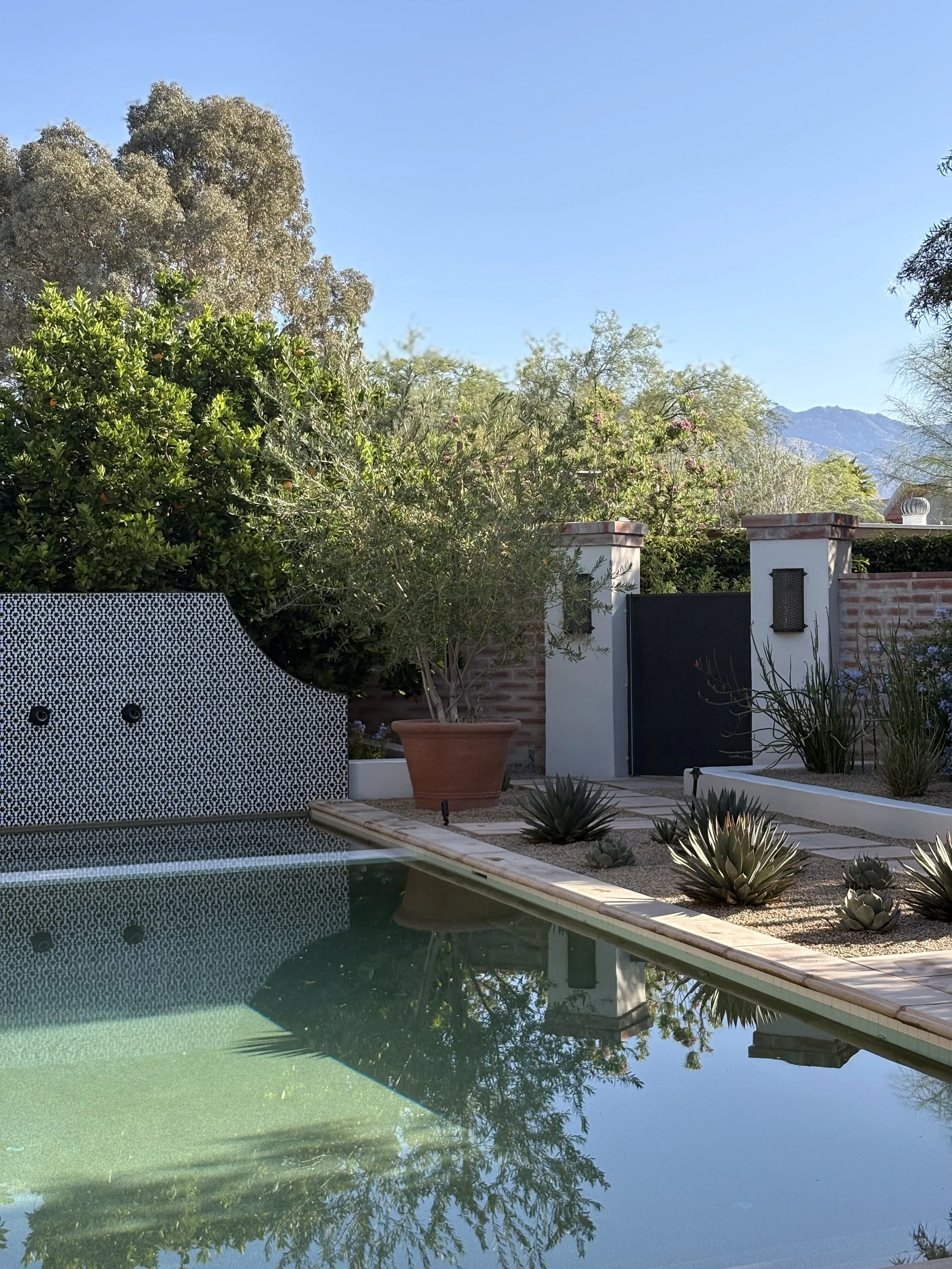
Coffee, Bare Feet, and What Good Design Actually Does
The sun had barely crept over the horizon.
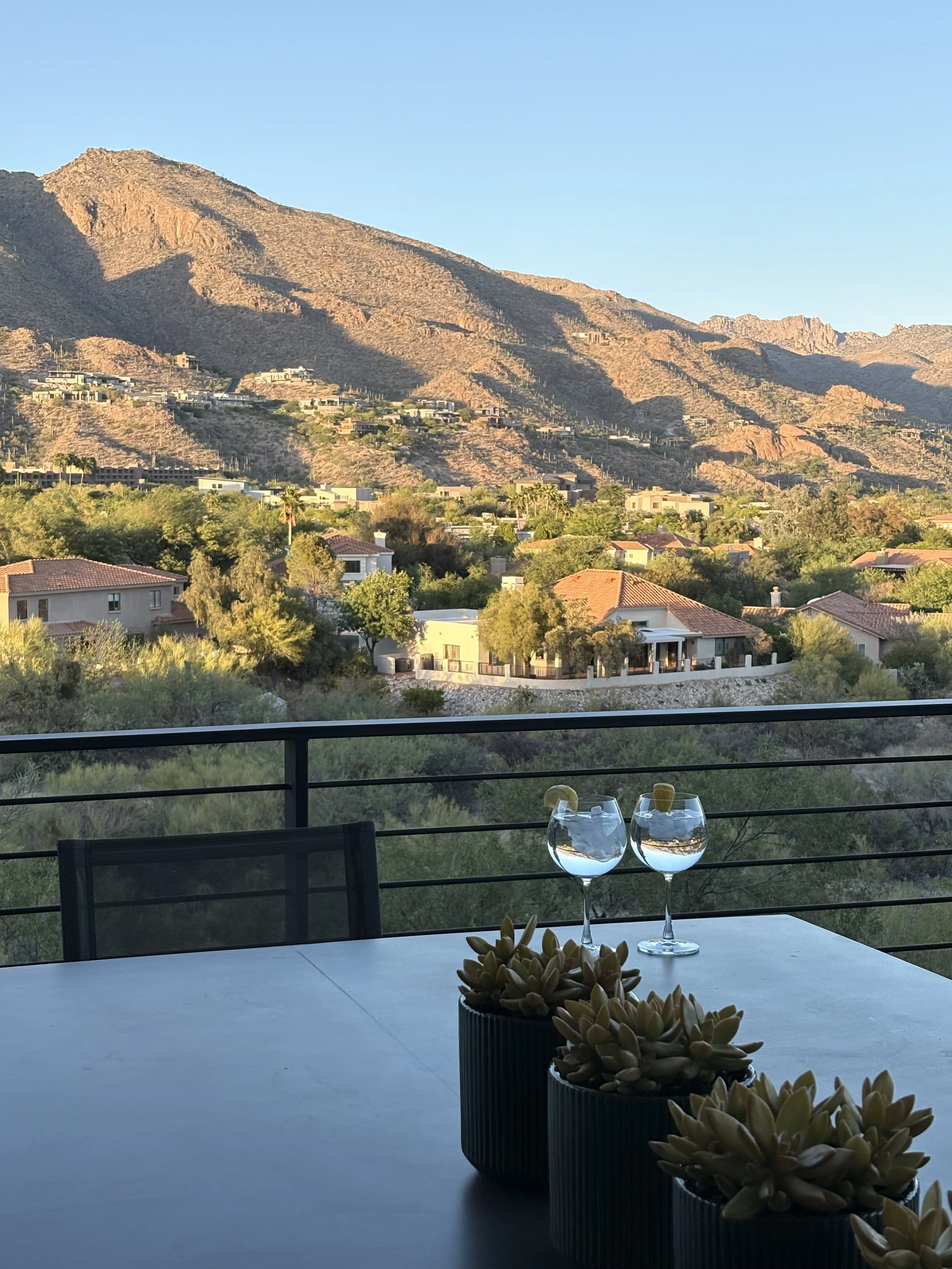
Tucson in the early morning has a particular cool stillness that exists only in the window before the heat arrives and claims everything. The light was low and golden, coming in at an angle that made every surface look like it was glowing from within.
And then she creaked open the gate.
I don't have a better word for it than… serene.
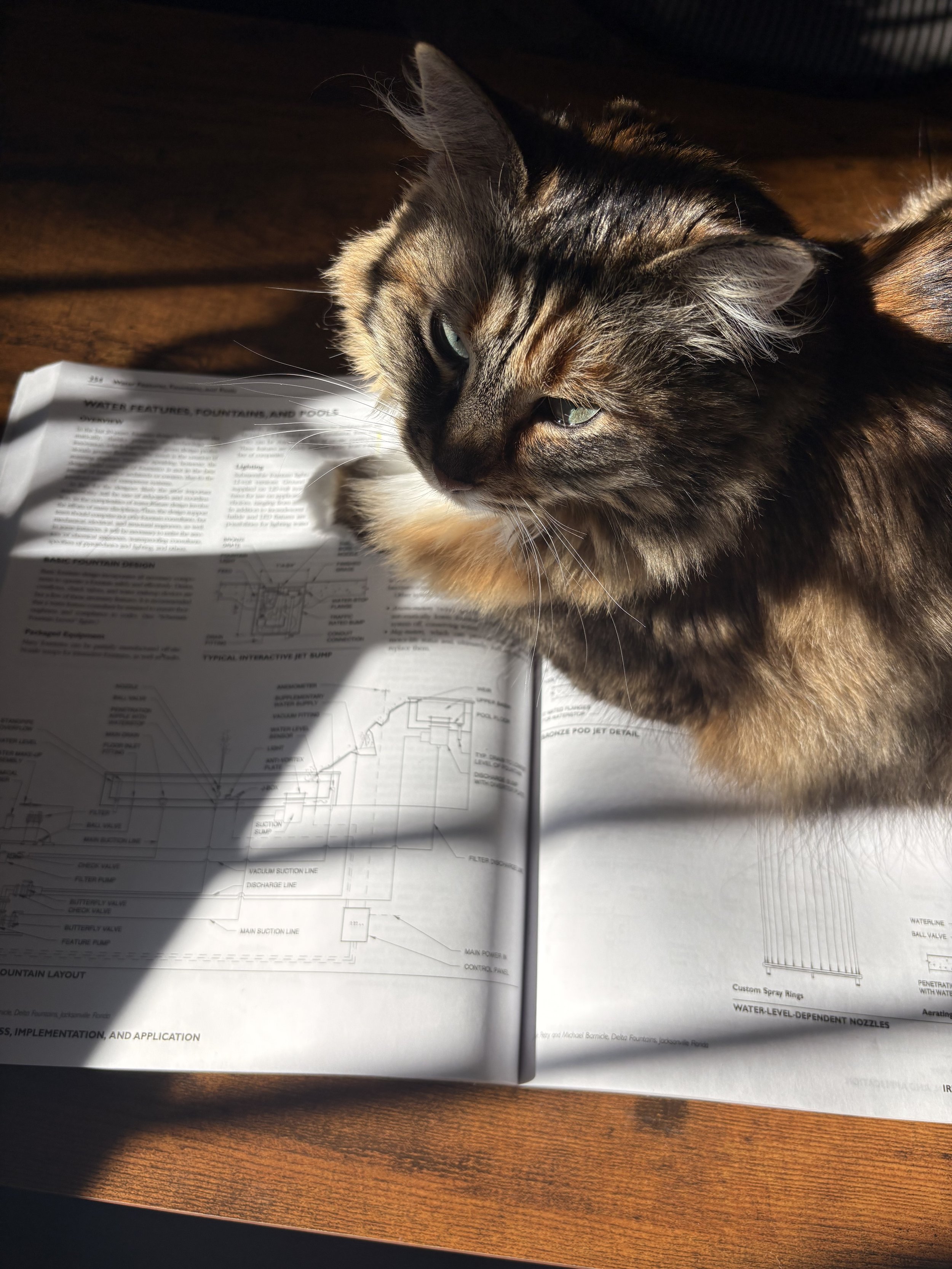
Design is Story
The kitchen table again. Always the kitchen table.
The overhead light is too bright and the table is littered in scratch paper. My dad leans over my shoulder, explaining the same algebra problem for the third time. He explains it again — slower this time, like that's the issue — and for one brief second I think I have it.
Then he points to one more thing to clarify, and whatever I almost had slips away completely.
Now flip the scene. It's eleven at night, I've moved this title block half an inch to the left for the fourth time, and I genuinely cannot tell if it looks better or worse. Two kinds of frustration. Completely different. And in this profession, you need to be fluent in both.
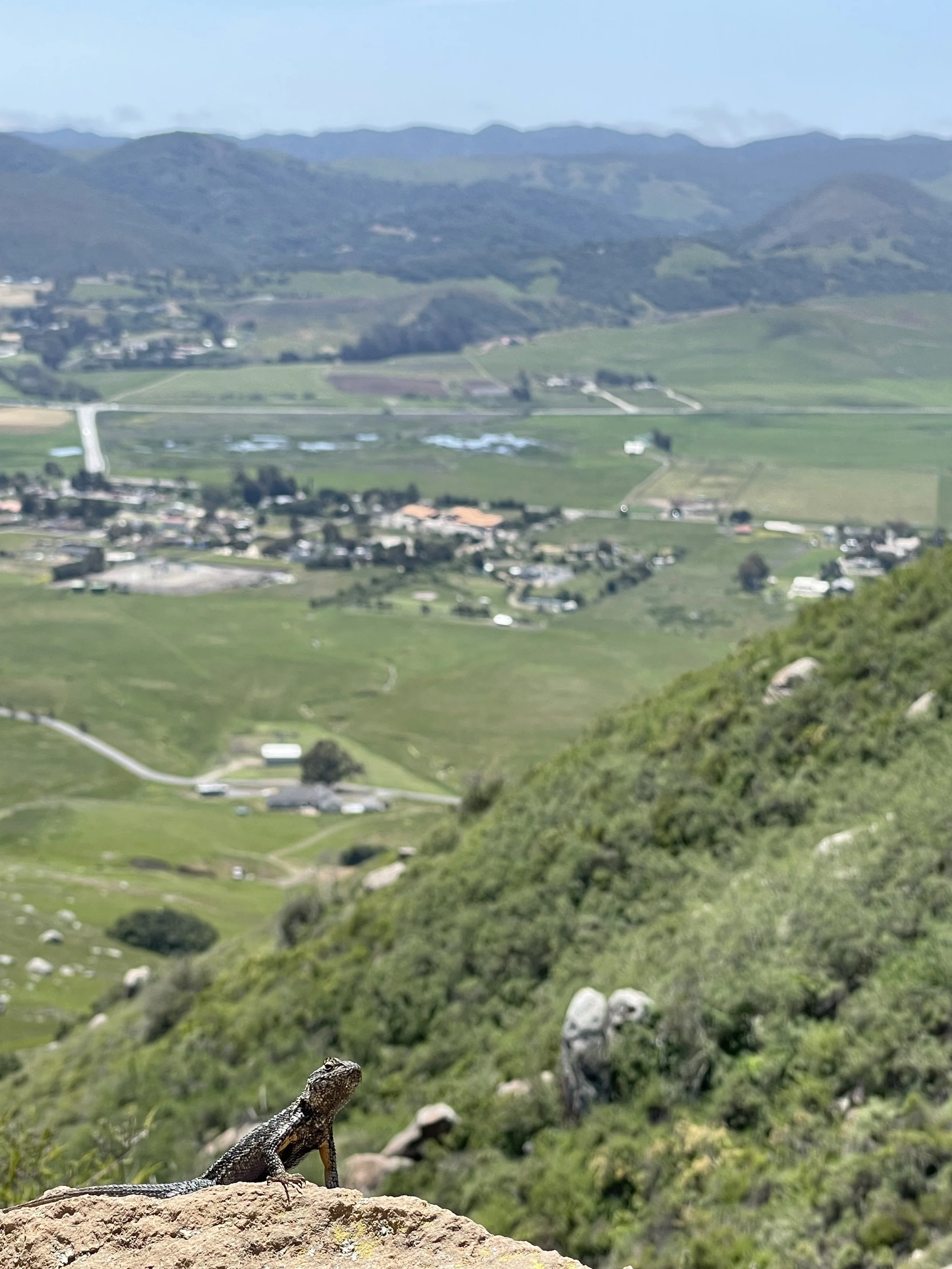
The Name Was Always Outside
I am four, maybe five years old, standing in the coastal grass of a wild property my family had big dreams for. The Manzanita grows dense around the edges of the clearing, and in the evenings a cool breeze whispers through the oaks, the grass moving in long slow waves. The bermuda buttercups speckle the clover with bright bursts of yellow.
I remember picking one. The soft stem breaking between my fingers. And then — completely unprepared — a zap of lemony zest that I was not expecting but absolutely thrilled to discover.
None of what came after happened inside either.
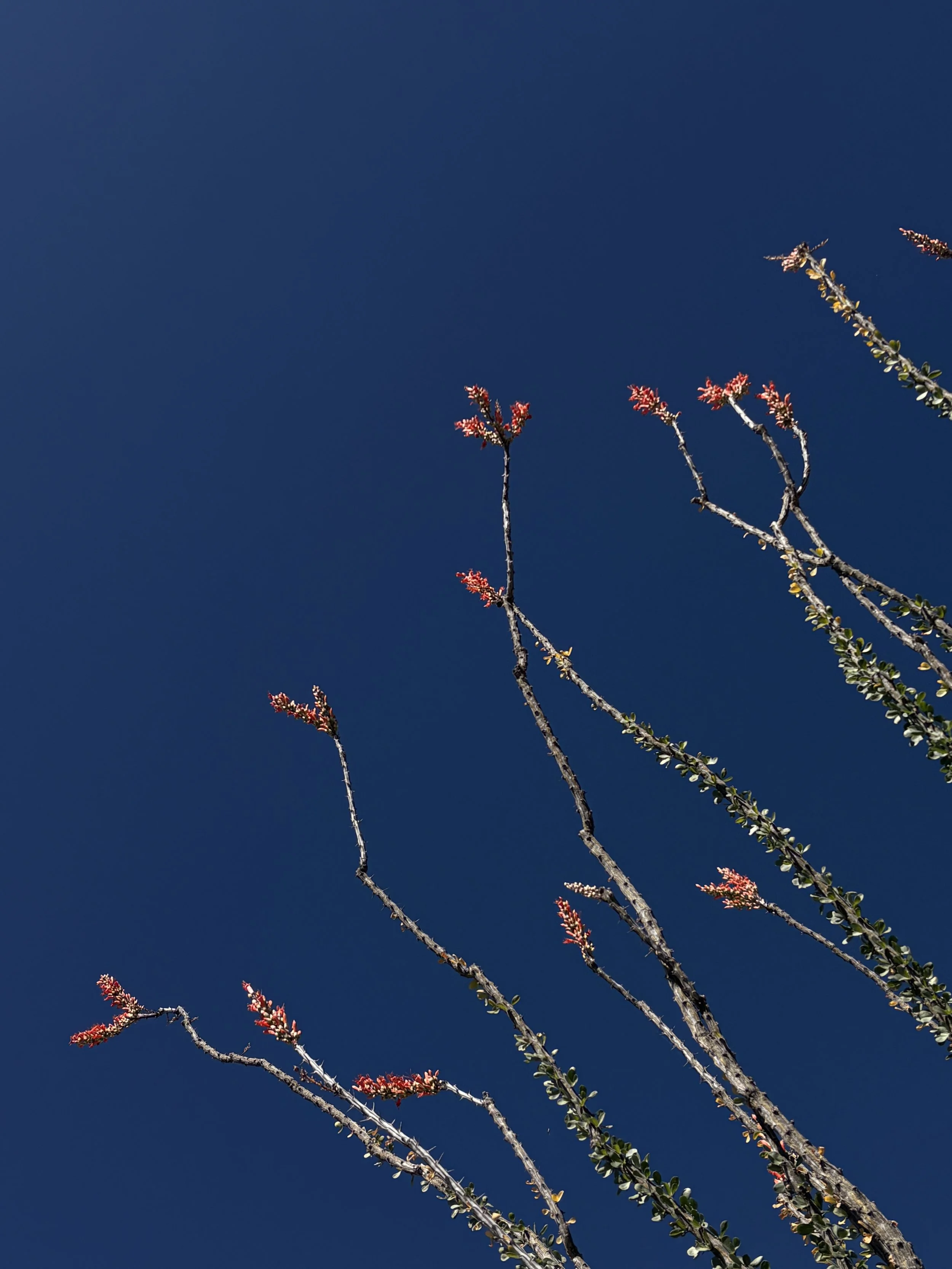
The Drive, The Desert, and The Decision
Between the saguaros, rising from the rocky soil on long thin arms that reached straight up toward the sky, were plants I had never seen before. Not in a book. Not in a photograph. Not anywhere, actually. They looked like nothing I had a reference for — alien and architectural and strangely graceful, like ocean kelp translated into desert. I didn't say anything. My friends were still talking about the saguaros. I pressed my cheek back to the warm glass and watched the ocotillo go by and thought: What IS that.
The Brook, the Backyard, and the Bedroom
I don't remember whose backyard it was. But I remember the tree — one of those coast live oaks that spreads itself wide and low like it has nowhere else to be. I was maybe seven years old, standing at the edge of a brook I hadn't noticed yet because above me, the canopy was doing something extraordinary. I didn't know what landscape design was. I was seven. I only knew how it made me feel. And I have never quite forgotten that feeling.
I Don't Set Goals.
I was sitting in a leadership seminar, pen in hand, everyone around me writing furiously — and I had absolutely nothing. Not a scratch on the page. For a long time I read that moment as evidence of a deficit. Now I read it differently. Goals written in neat little rows have never been the thing that moves me. What moves me is the system. The process. The structure I trust enough to show up for — consistently. And as it turns out, that's enough. More than enough.
Bad Mentors Don't Yell… They Say Nothing.
I had spent days on that design. I walked her through it — heart in my throat, words tripping over each other — and when I finished, the silence stretched out. Then: This is great. I love this. I think it's wonderful. And I felt, to my complete surprise, disappointed. Empty feedback is its own kind of brutal. It just wears a friendlier face. The professor who told me my fourth-year project wasn't good? She changed my career. The one who said "I love it"? She taught me nothing.
These three posts are doing something your earlier posts were still working toward — they're fully formed arguments with real stakes and personal narrative that earns the point. "When the Ground Shifts" in particular is exceptionally written. That one is likely to resonate far beyond the design world and could bring in readers who find it through searches around career setbacks, resilience, and starting over — which is a meaningful audience for someone launching a new practice in a new city.
When the Ground Shifts
year ago today I was sitting on the floor of my studio apartment surrounded by boxes. Not packing boxes. Not yet. Just the regular accumulation of a life I had carefully built. I had been studying for my licensure exams for months. The finish line was close enough to see. And then someone appeared in the doorway, and I knew — before a word was spoken — that everything was about to rearrange itself into something unrecognizable.
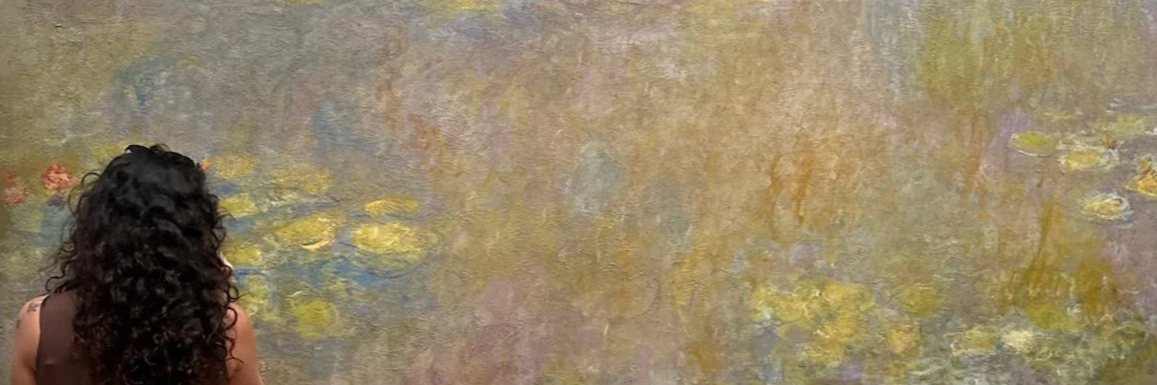
Stop Trying to Make Me Feel Better About Not Knowing Things!!
There's a piece of advice that lives in every business TikTok algorithm: "Don't wait until you feel ready. Nobody knows what they're doing anyway." The first half? Solid. The second half? A problem. The moment encouragement shifts from you can do hard things to everyone's just winging it, we've stopped building confidence and started lowering the bar. And I don't want a lower bar. I want to actually get good at this.
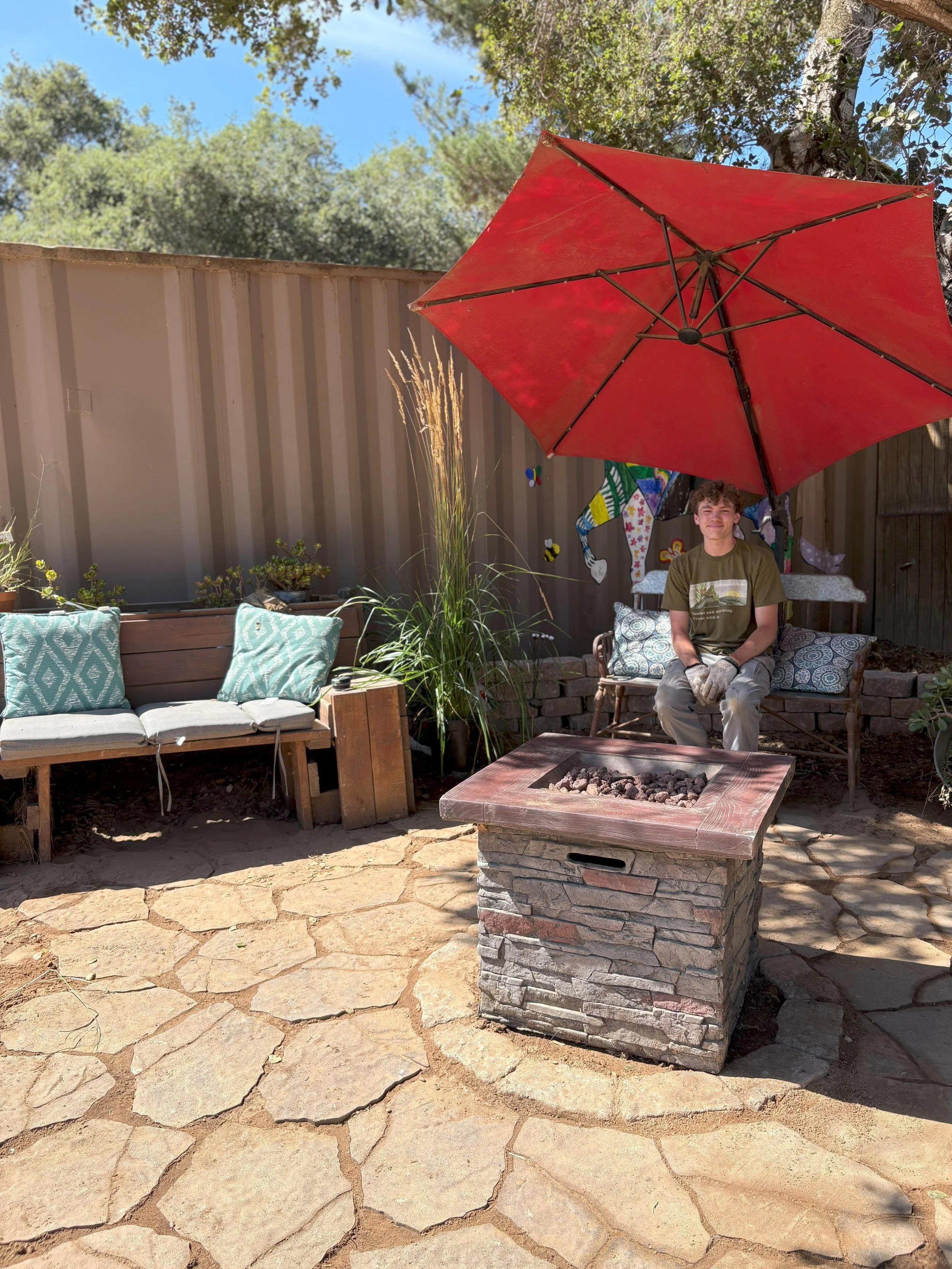
The Myth of Pure Expression
There's a romantic idea at the beginning of every creative journey — pure expression flowing freely from somewhere deep and instinctual. But environmental design doesn't work that way. Every site, every client, every budget is real and non-negotiable. Creativity here isn't about expression. It's about response. And the best spaces? They don't announce themselves. They just work.
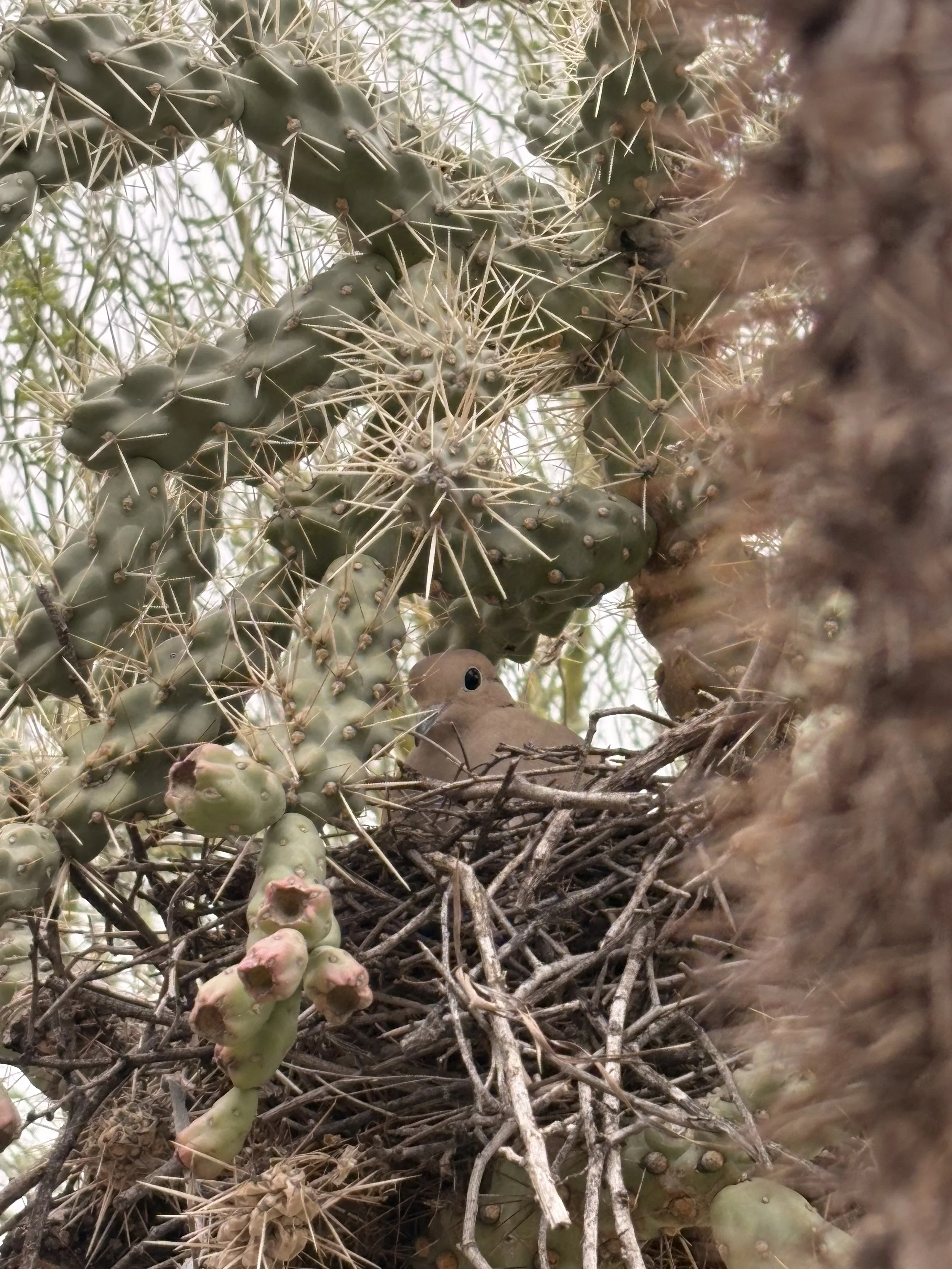
The Myth of Limitless Freedom
The idea that total creative freedom produces the best work is one of the most persistent myths in design. Constraints don't kill creativity — they direct it. But here's the part that often gets skipped: context without a structured process is just overwhelming, beautiful, directionless noise. So what actually unlocks creative momentum? A framework that turns what you observe into something you can act on.
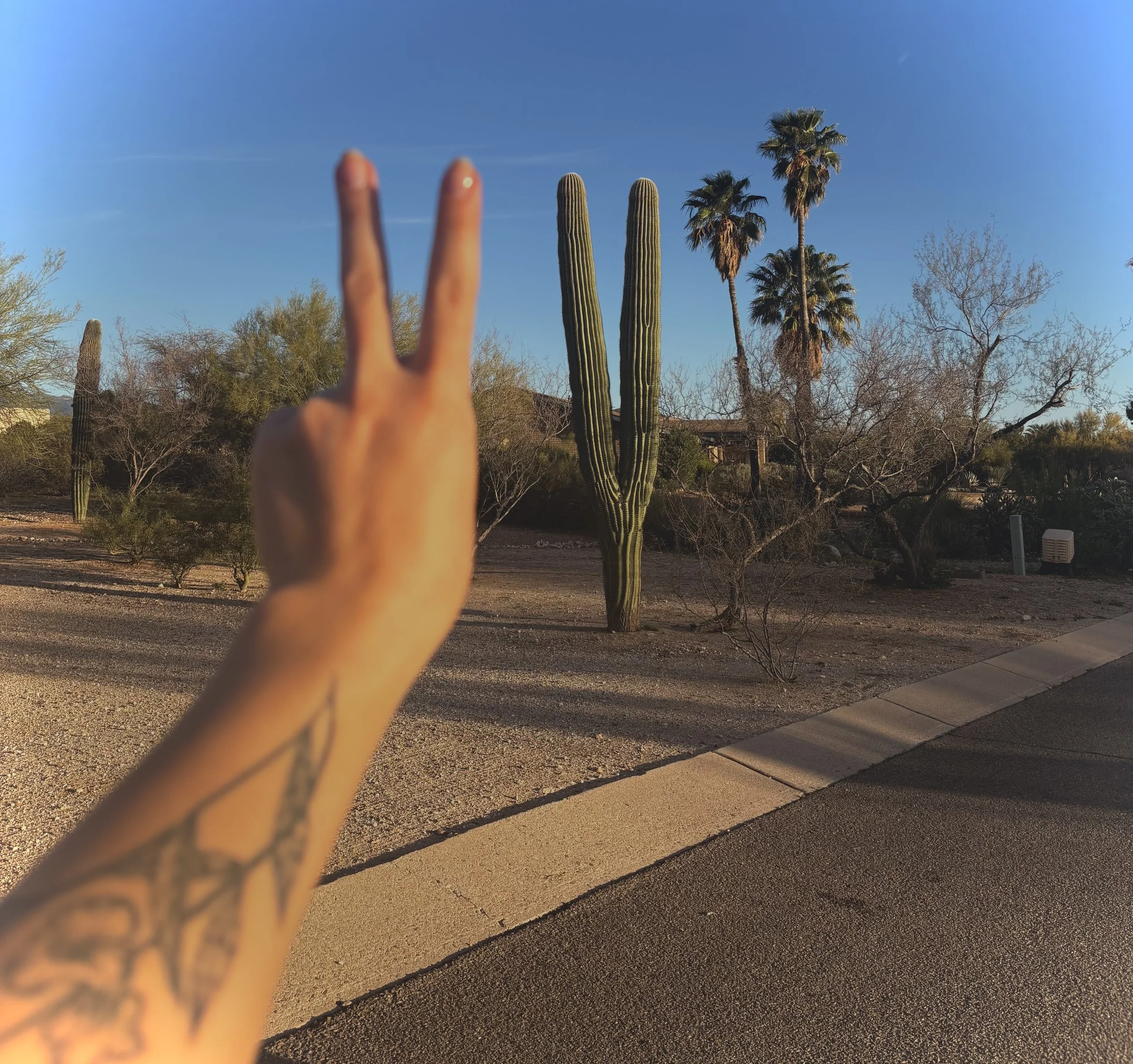
The Myth of the Blank Canvas
For a while, I quietly wrestled with a question that felt uncomfortable to admit: Am I actually creative? My brother can paint glowing scenes out of thin air. I stall without context. But walking the desert neighborhoods of Tucson, I realized my brain doesn't start with invention — it starts with transformation. And that doesn't make me less creative. It just means my creativity is activated differently.
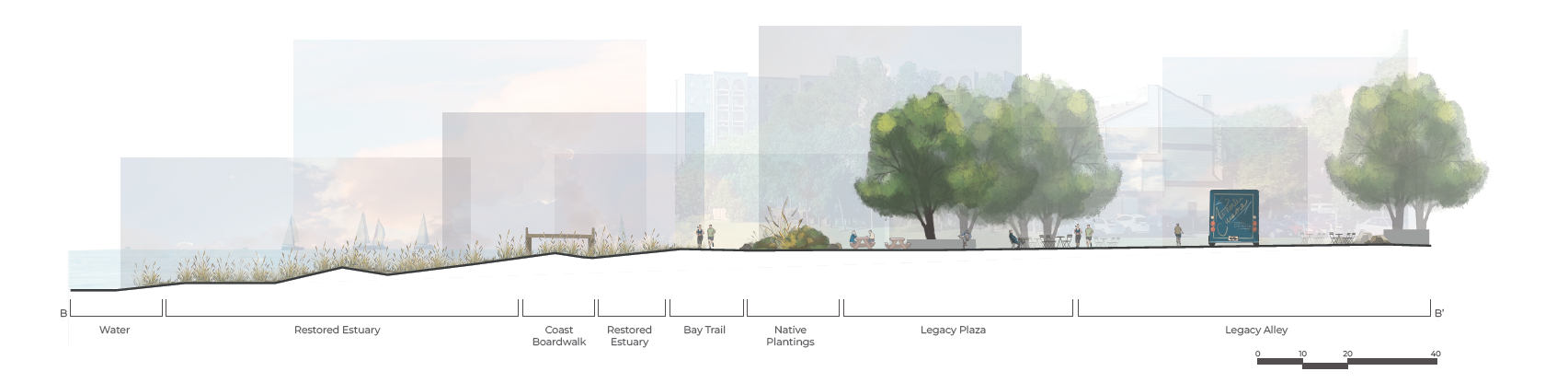
The Discipline Behind the Design
Not long ago, someone in a team meeting suggested offering the design for free. The rest of the room nodded. And I felt like I'd been kicked in the gut. The smoother a project looks in the field, the more invisible the thinking behind it becomes. But calling that thinking "free" quietly reduces years of technical training, creative problem-solving, and disciplined iteration to an afterthought. Design is not decoration. It's decision-making — and it deserves to be valued as such.
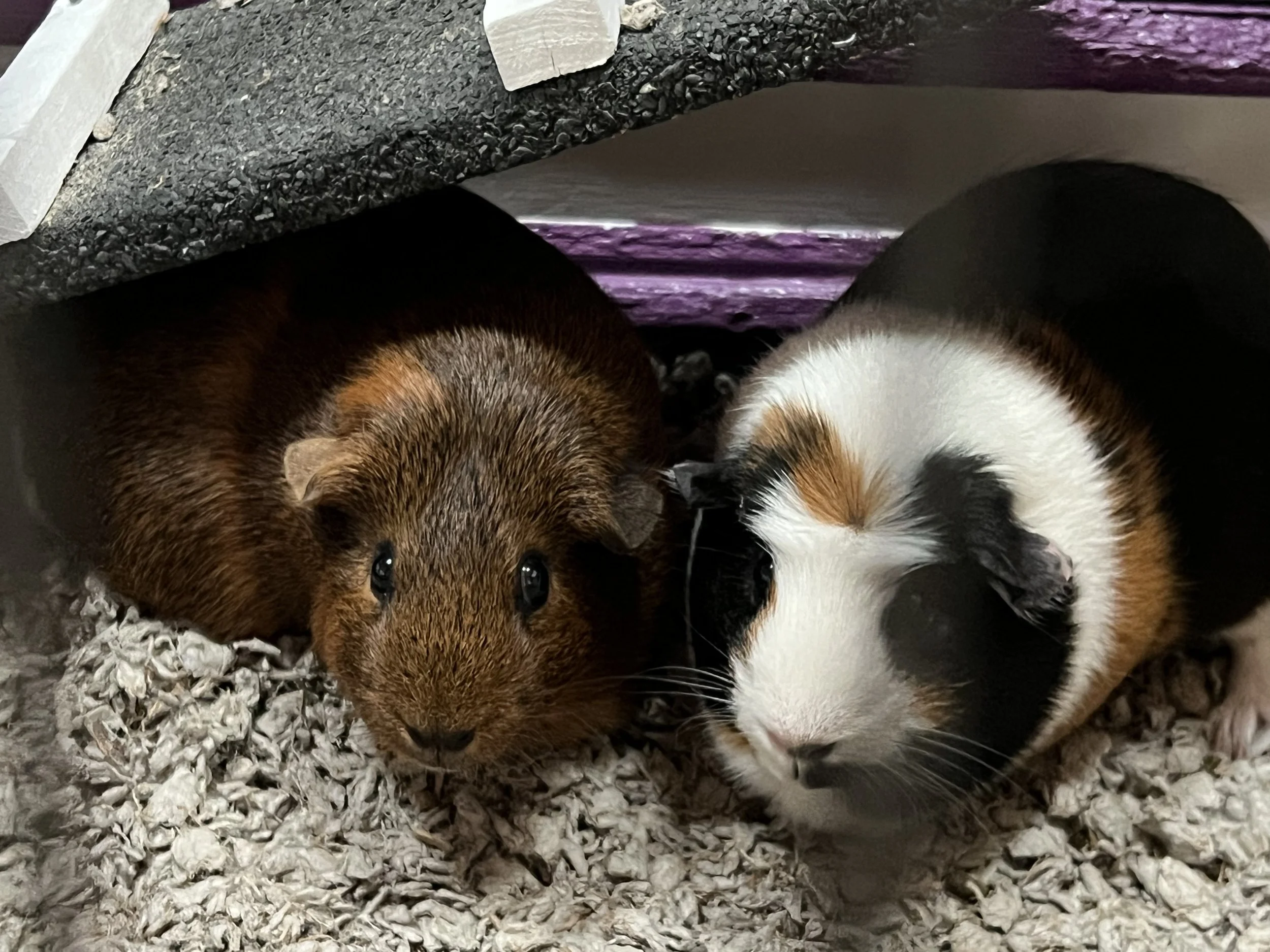
Being the Guinea Pig
Somehow, across every season of my career and life, the most consistent title I've held has been "Guinea Pig." I'm the oldest of six, so by default I was the first test case. That role has followed me into adulthood — relentlessly. Being first doesn't mean being helpless. It means moving forward without certainty and staying long enough to learn from what works and what absolutely does not.
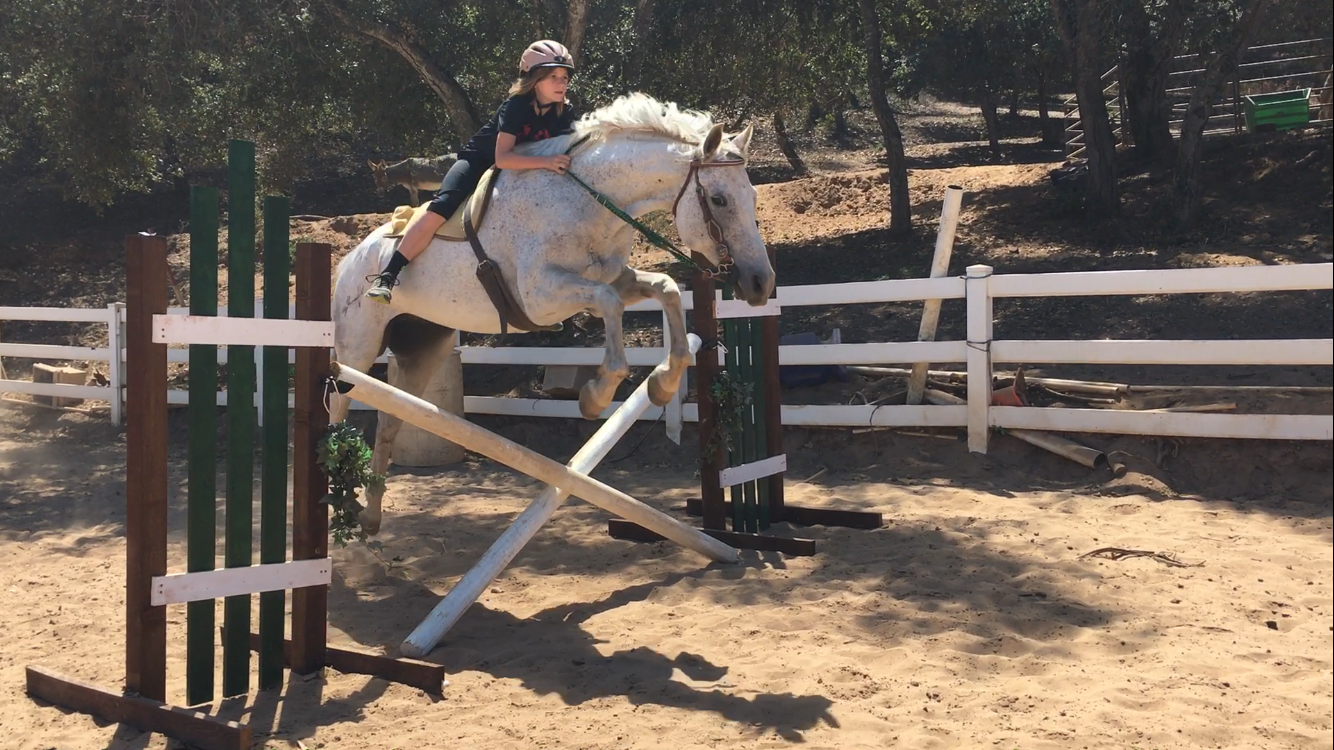
Just take the leap!
"Just do it" has been the most uncomfortable — and most important — lesson of my early career. At the transition between school and the professional world, I came face to face with something I didn't expect to be so paralyzing: the fear of not knowing enough. What I've learned is that growth, especially early on, often looks like doing the thing without support, resources, or a guarantee that you're the right person for it. You might just be.
On Growing Up Around Doers
My family never seemed to be talking about what might happen or dreaming out loud about what life could be. We were often too busy doing. Growing up on an undeveloped piece of land in rural California, I watched my parents shift hillsides, run irrigation lines, and build environments out of nothing. That mindset — have a plan, then go create it — is exactly what drew me to landscape architecture. Everything we draw is something we intend to do.