

Being the Guinea Pig
Somehow, across every season of my career and life, the most consistent title I’ve held has been “Guinea Pig”.
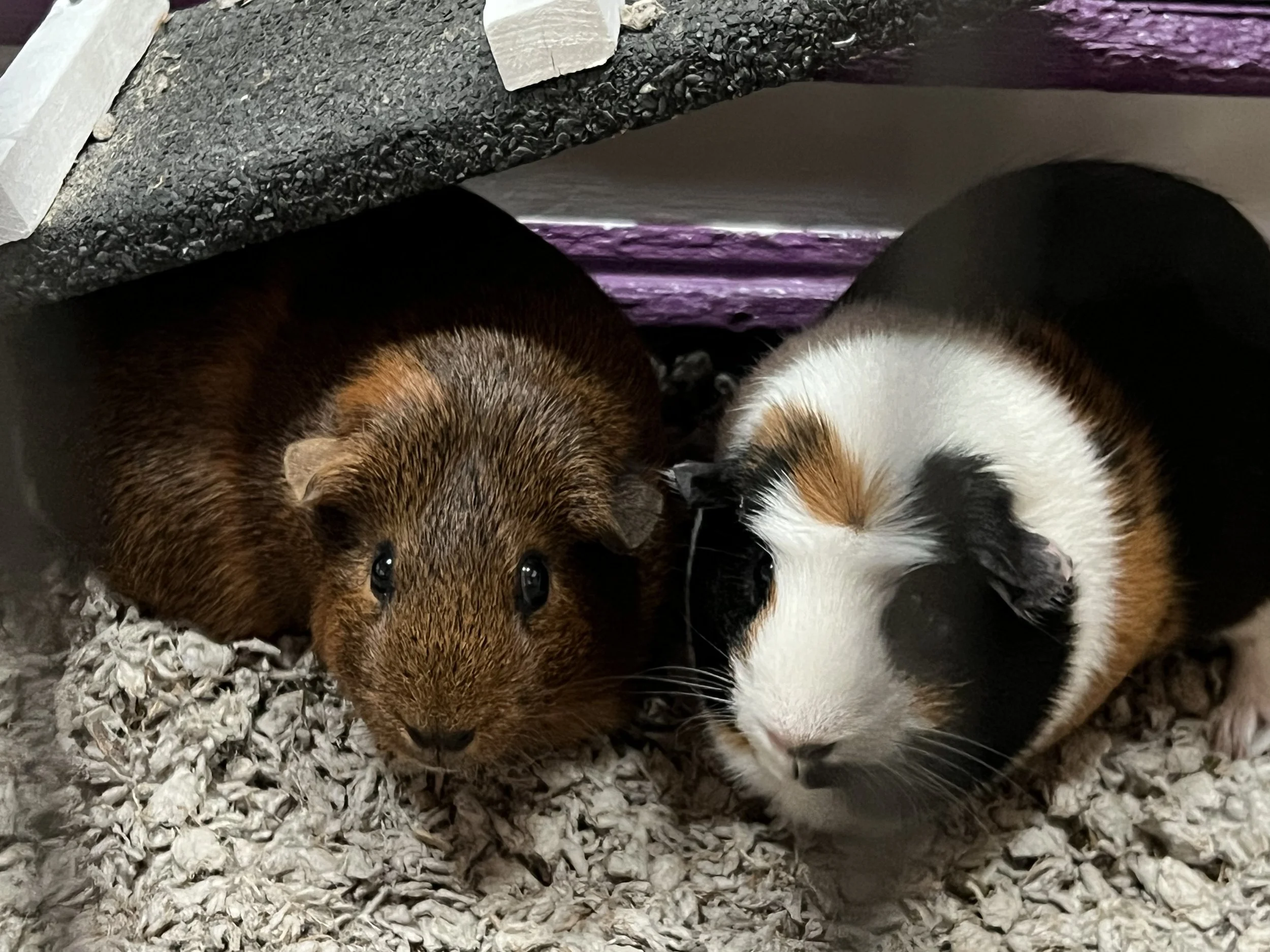
In my case, it started early. I’m the oldest of six - which means, by default, I was the first test case. The one who figures things out in action.
That role has followed me into adulthood… relentlessly.
Being the guinea pig is not about being helpless or malleable. It is not about going with the flow or bearing all the pain of failure. It’s about being willing to move forward without certainty and staying long enough to learn from what works and what does not. I have spent a lot of time in that certain discomfort that comes with being first. You don’t have many examples to follow. You don’t have precedent. Feedback often comes after the steps have been taken.
Despite the rough terrain you experience, you do gain something uniquely valuable: pattern recognition, resilience, and a deeper understanding of how things actually get built - not just how they’re supposed to work in theory.
That mindset has massively shaped how I approach my career (and my life), especially early on.
Professionals Need Guinea Pigs Too
During my very first experience in the professional world straight out of college, I stepped into a role where the design department of a landscape construction company was still a little baby. Before I was brought on, there was one designer who had been there nearly a year. Before her, there was no in-house design department at all. Anyone who works in design knows the difference between a solo designer operating on their own bandwidth, and a design team made up of multiple people with different skills, trying to produce a shared outcome.
I learned FAST that moving from the first to the second is no small shift. Together, we were suddenly tasked with building something from scratch: process standards, graphic standards, deliverable standards, workflows - essentially an entire system that didn’t exist yet in an environment where leadership did not understand.
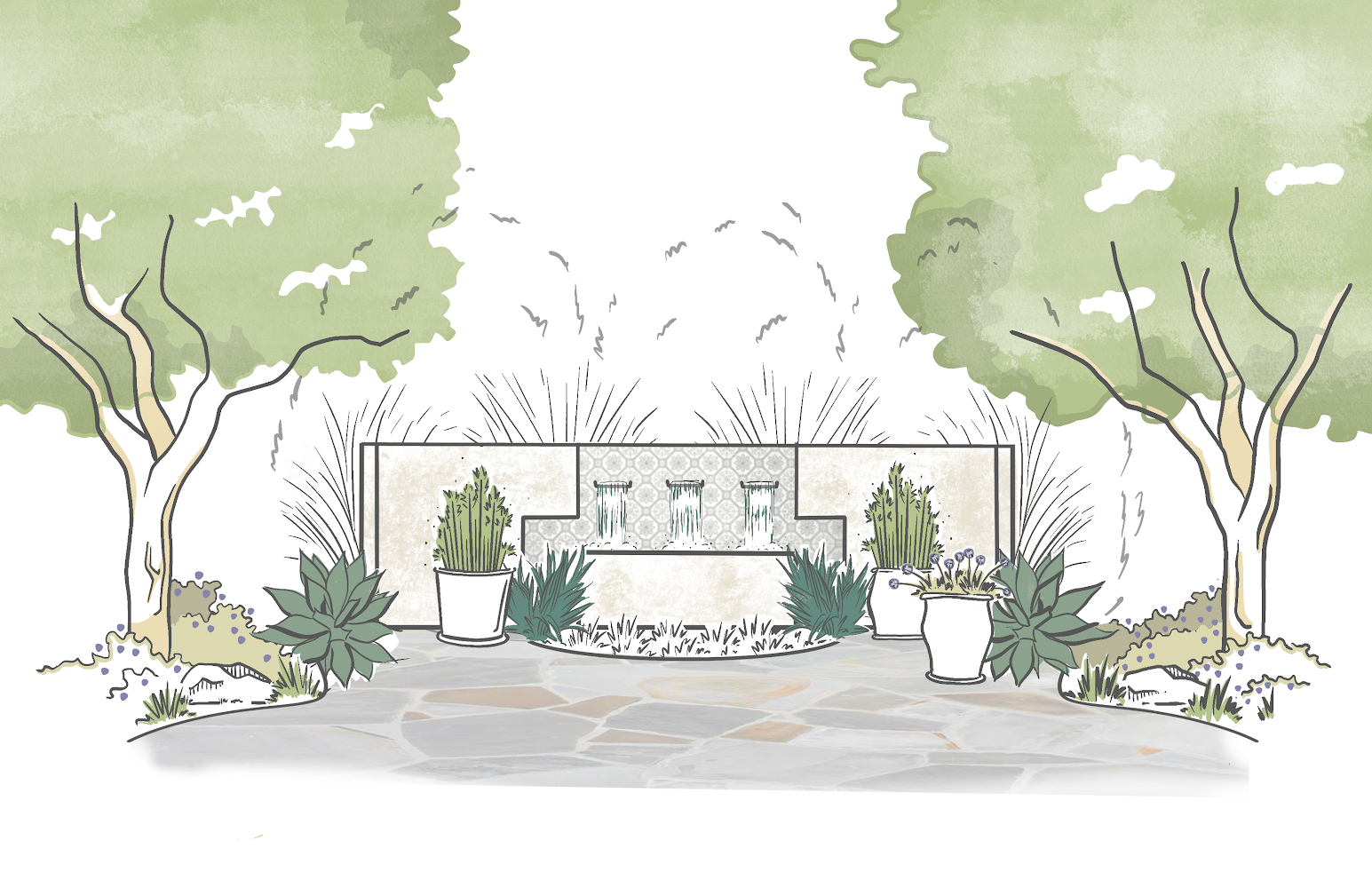
My love for design is what carried me through.
It often felt like no one knew what they were doing. It was like trying to find the light switch in a dark room. The design team felt like we were speaking one language. The rest of the company - landscape contractors - were speaking another. There was a lot of trial. A lot of error. Very little formal mentorship.
But there was learning and fast, sometimes painfully so. I learned what actually mattered versus what didn’t. What needed to come first, second, and last. Where perfection was unnecessary - and where clarity was crucial. These are lessons I don’t hear talked about often, especially among people early in their careers. Yet they shaped how I think about teams, communication, and design in practice.
Being the guinea pig is uncomfortable, but I’m starting to believe it forges very specific traits.
Adaptability.
Prioritization.
Tolerance for ambiguity.
The ability to translate between different disciplines and ways of thinking.
At the same time, it can be exhausting. Without structure or mentorship, it’s easy to doubt yourself or internalize confusion as failure.
As I prepare to step into a new chapter - new city, new role, new environment - I’m trying to better understand how this pattern has shaped me, and how to carry the benefits forward without repeating the same growing pains unnecessarily.
So I’d love to hear from others who’ve been in a similar position:
Have you ever been the guinea pig - on a team, in a department, or early in a company’s growth?
How did it benefit you in the long run?
What would you do differently if you were in that position again?
What strengths do you think are uniquely developed through being first?
I’m still figuring out my own unique skill set - and I suspect this experience is a bigger part of it than I initially realized.
I’m learning, and I’m genuinely curious to learn from those who’ve been here before.
