

The Name Was Always Outside
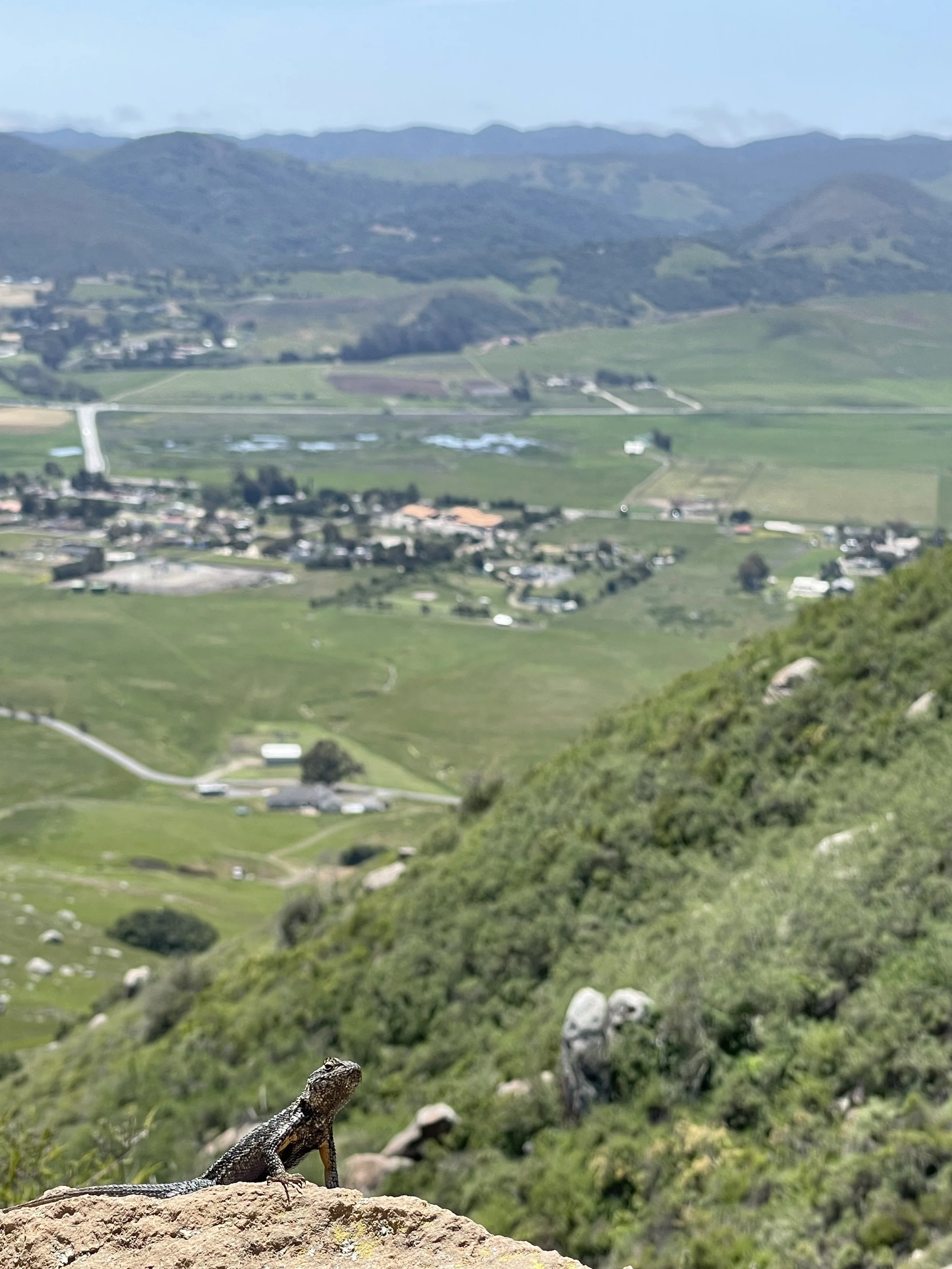
I am four, maybe five years old, standing in the coastal grass of a wild property my family had big dreams for. The Manzanita grows dense around the edges of the clearing, and in the evenings a cool breeze whispers through the oaks, the grass moving in long slow waves. The bermuda buttercups speckle the clover with bright bursts of yellow.
I remember picking one. The soft stem breaking between my fingers. And then — completely unprepared — a zap of lemony zest that I was not expecting but absolutely thrilled to discover.
None of what came after happened inside either.
The Drive, The Desert, and The Decision
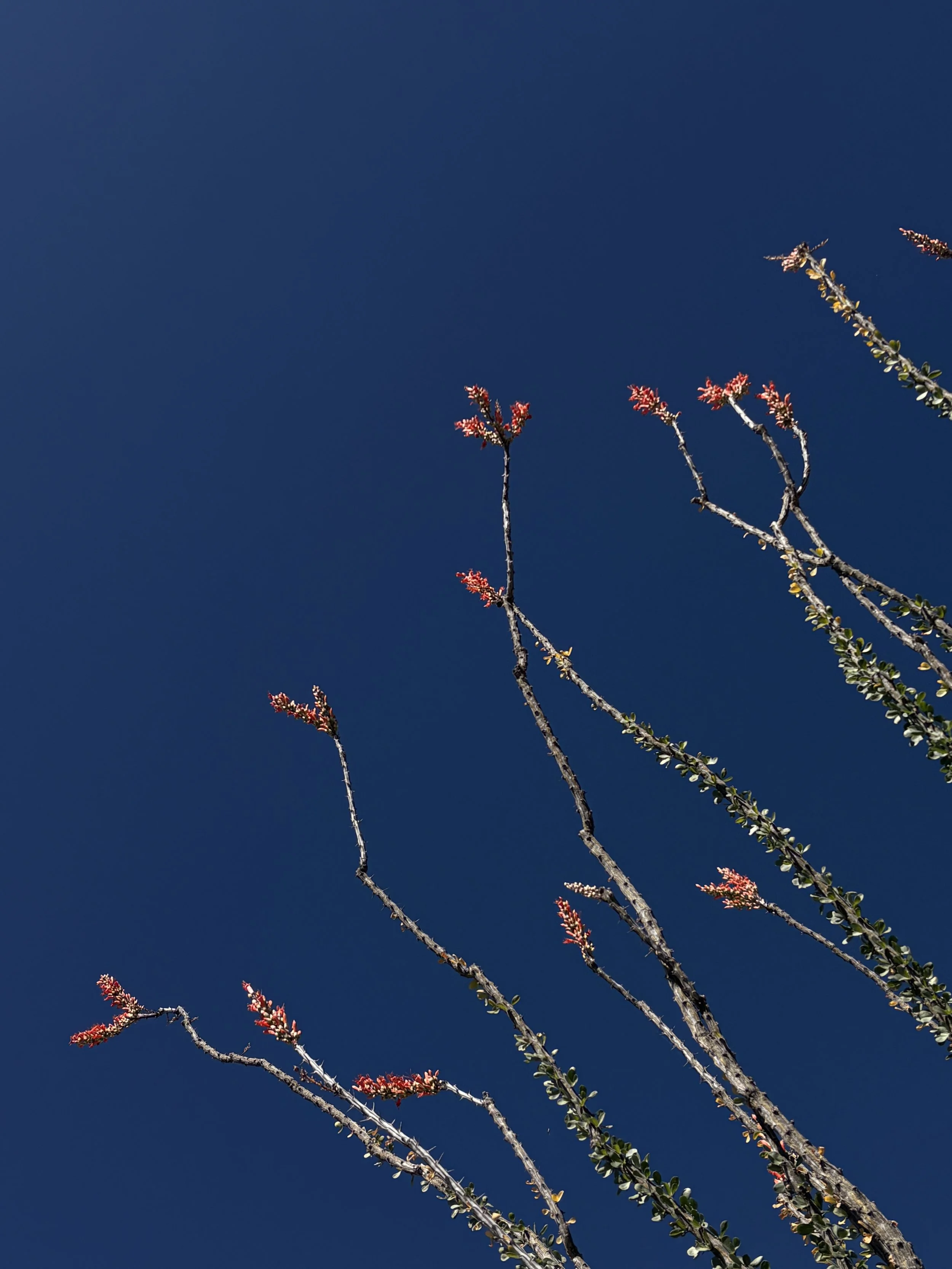
Between the saguaros, rising from the rocky soil on long thin arms that reached straight up toward the sky, were plants I had never seen before. Not in a book. Not in a photograph. Not anywhere, actually. They looked like nothing I had a reference for — alien and architectural and strangely graceful, like ocean kelp translated into desert. I didn't say anything. My friends were still talking about the saguaros. I pressed my cheek back to the warm glass and watched the ocotillo go by and thought: What IS that.
The Myth of Pure Expression
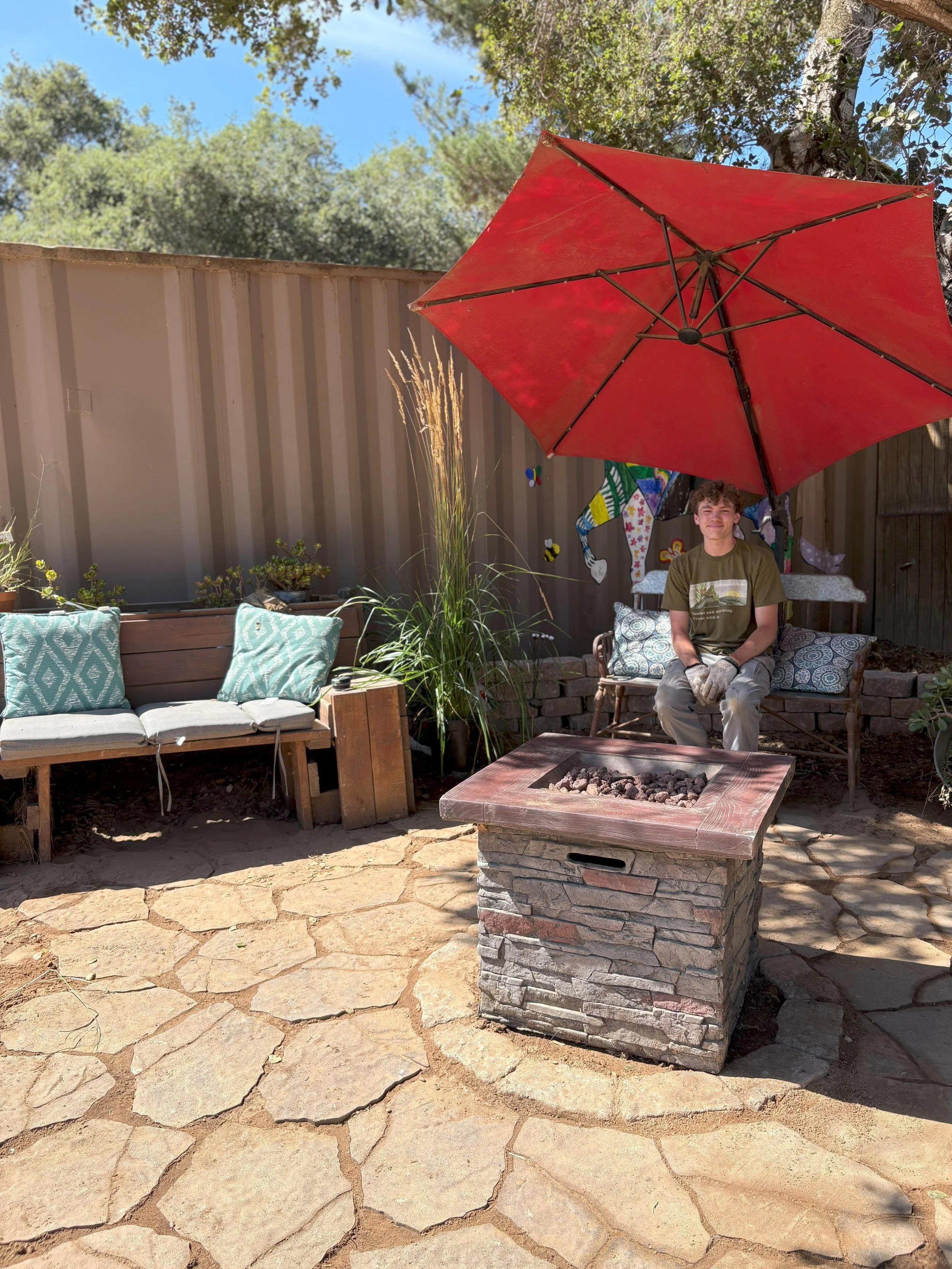
There's a romantic idea at the beginning of every creative journey — pure expression flowing freely from somewhere deep and instinctual. But environmental design doesn't work that way. Every site, every client, every budget is real and non-negotiable. Creativity here isn't about expression. It's about response. And the best spaces? They don't announce themselves. They just work.
The Myth of the Blank Canvas
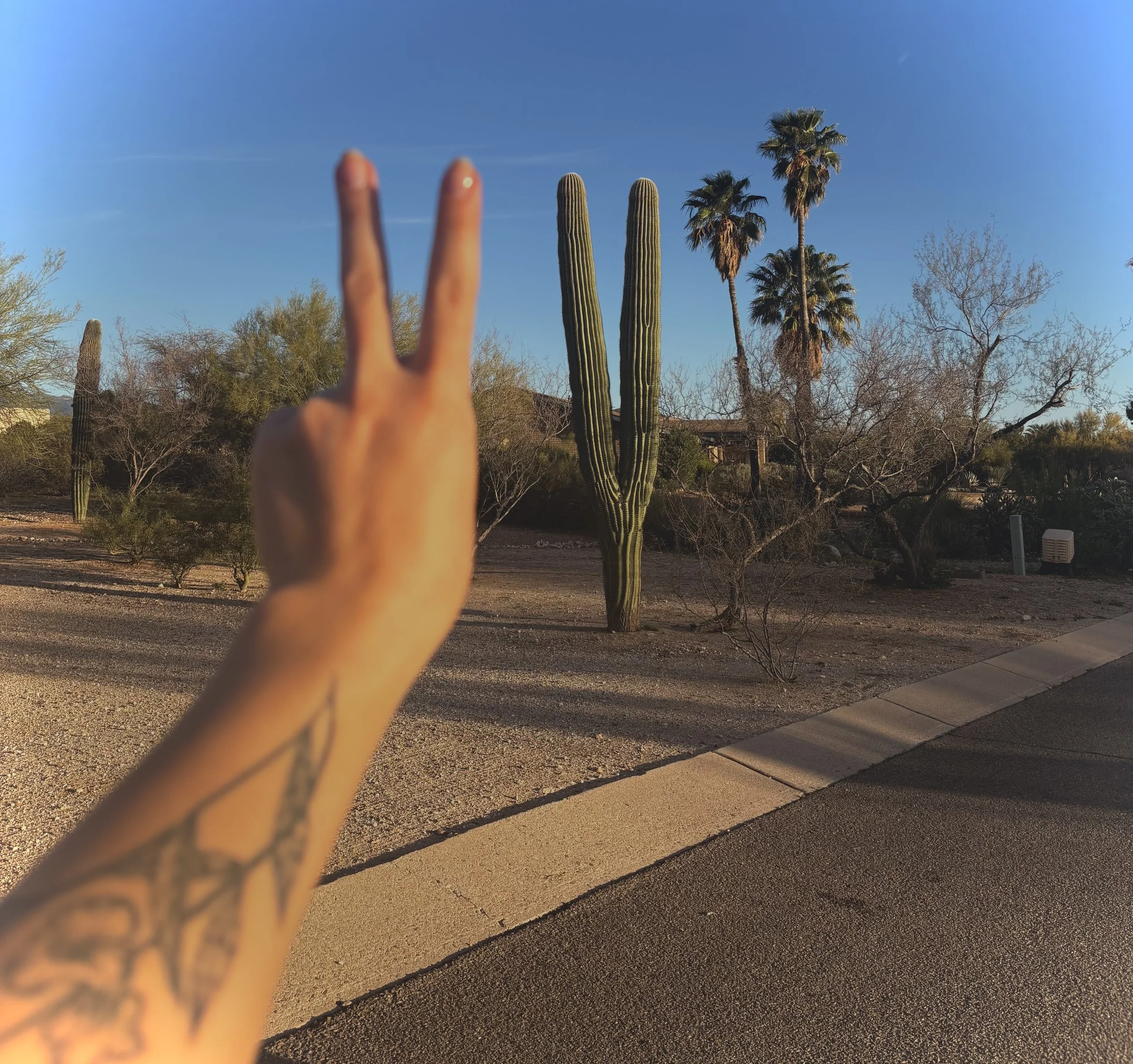
For a while, I quietly wrestled with a question that felt uncomfortable to admit: Am I actually creative? My brother can paint glowing scenes out of thin air. I stall without context. But walking the desert neighborhoods of Tucson, I realized my brain doesn't start with invention — it starts with transformation. And that doesn't make me less creative. It just means my creativity is activated differently.