

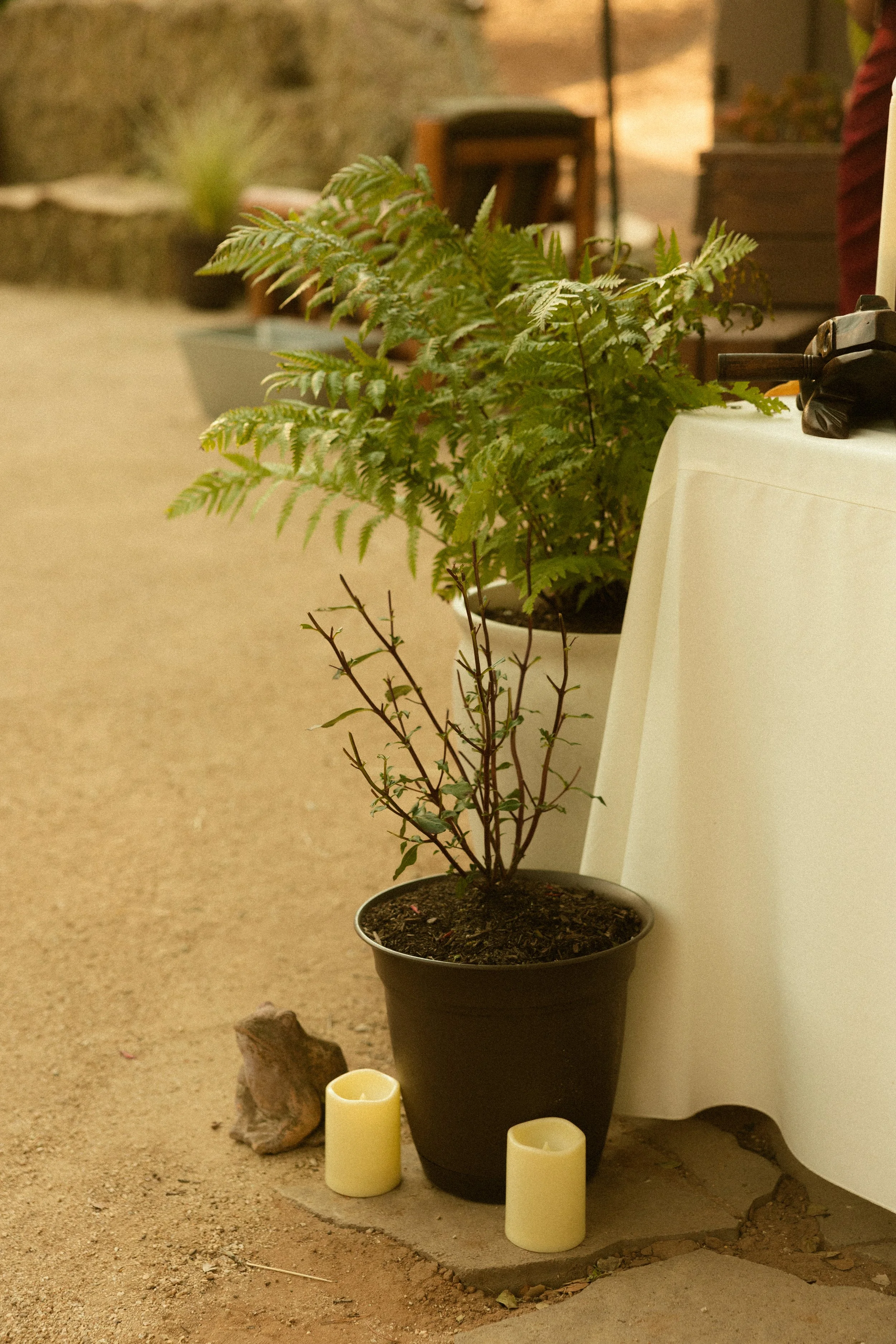
The Drive, The Desert, and The Decision
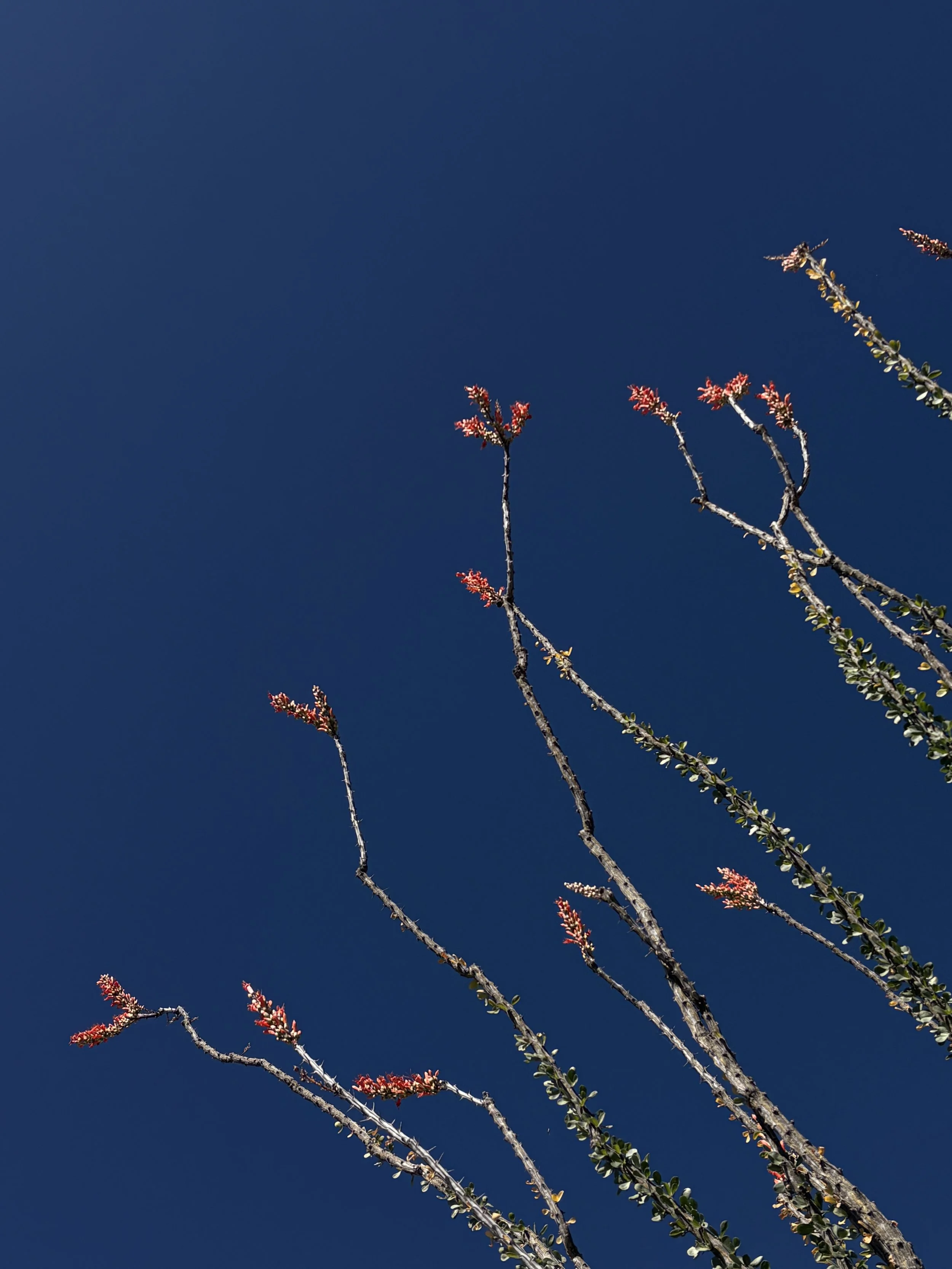
Between the saguaros, rising from the rocky soil on long thin arms that reached straight up toward the sky, were plants I had never seen before. Not in a book. Not in a photograph. Not anywhere, actually. They looked like nothing I had a reference for — alien and architectural and strangely graceful, like ocean kelp translated into desert. I didn't say anything. My friends were still talking about the saguaros. I pressed my cheek back to the warm glass and watched the ocotillo go by and thought: What IS that.
The Brook, the Backyard, and the Bedroom
I don't remember whose backyard it was. But I remember the tree — one of those coast live oaks that spreads itself wide and low like it has nowhere else to be. I was maybe seven years old, standing at the edge of a brook I hadn't noticed yet because above me, the canopy was doing something extraordinary. I didn't know what landscape design was. I was seven. I only knew how it made me feel. And I have never quite forgotten that feeling.
The Myth of Pure Expression
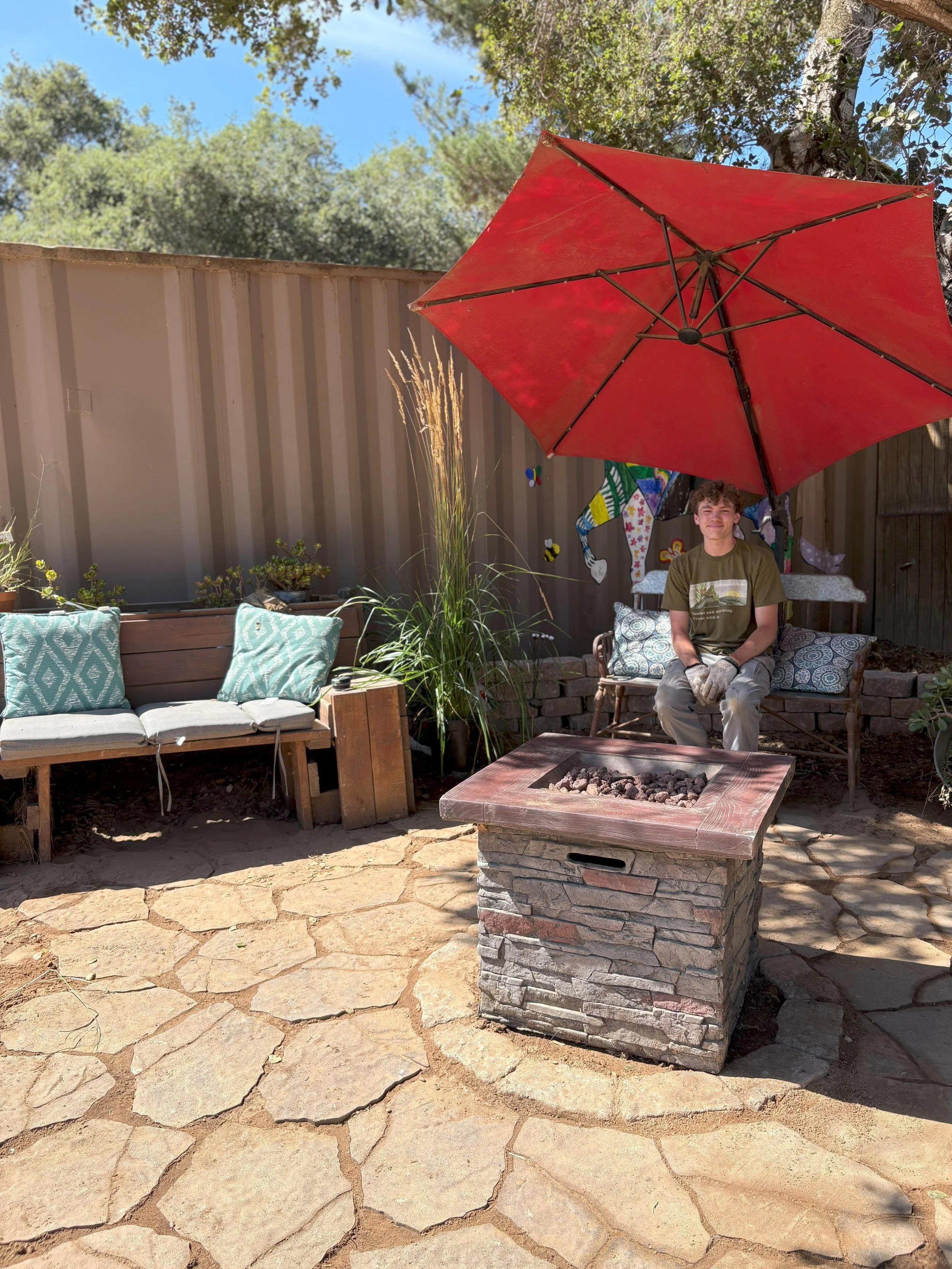
There's a romantic idea at the beginning of every creative journey — pure expression flowing freely from somewhere deep and instinctual. But environmental design doesn't work that way. Every site, every client, every budget is real and non-negotiable. Creativity here isn't about expression. It's about response. And the best spaces? They don't announce themselves. They just work.
The Myth of the Blank Canvas
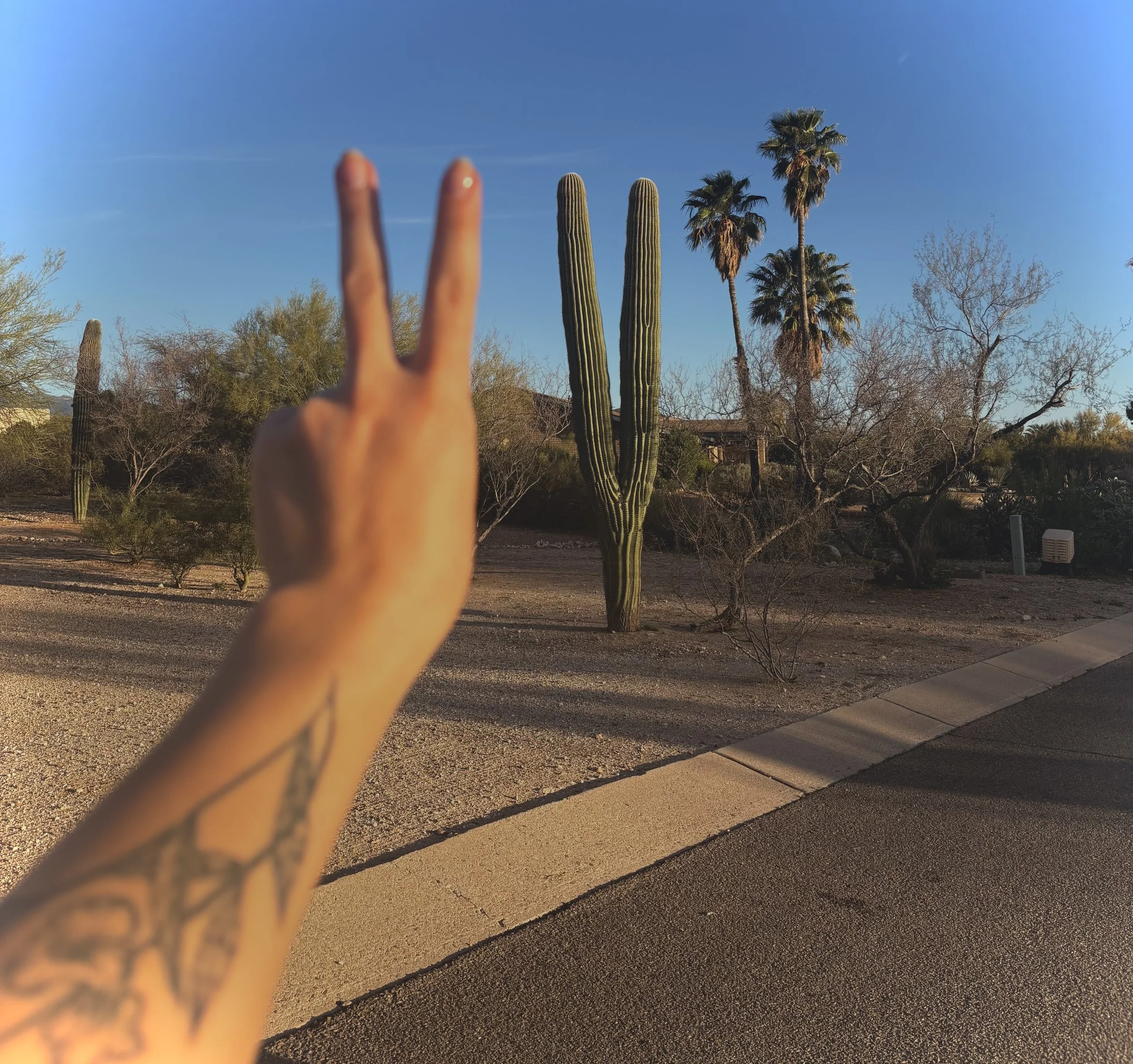
For a while, I quietly wrestled with a question that felt uncomfortable to admit: Am I actually creative? My brother can paint glowing scenes out of thin air. I stall without context. But walking the desert neighborhoods of Tucson, I realized my brain doesn't start with invention — it starts with transformation. And that doesn't make me less creative. It just means my creativity is activated differently.