

Design is Story
The kitchen table again. Always the kitchen table.
The overhead light is too bright and the table is littered in scratch paper. My dad leans over my shoulder, explaining the same algebra problem for the third time. He explains it again — slower this time, like that's the issue — and for one brief second I think I have it.
Then he points to one more thing to clarify, and whatever I almost had slips away completely.
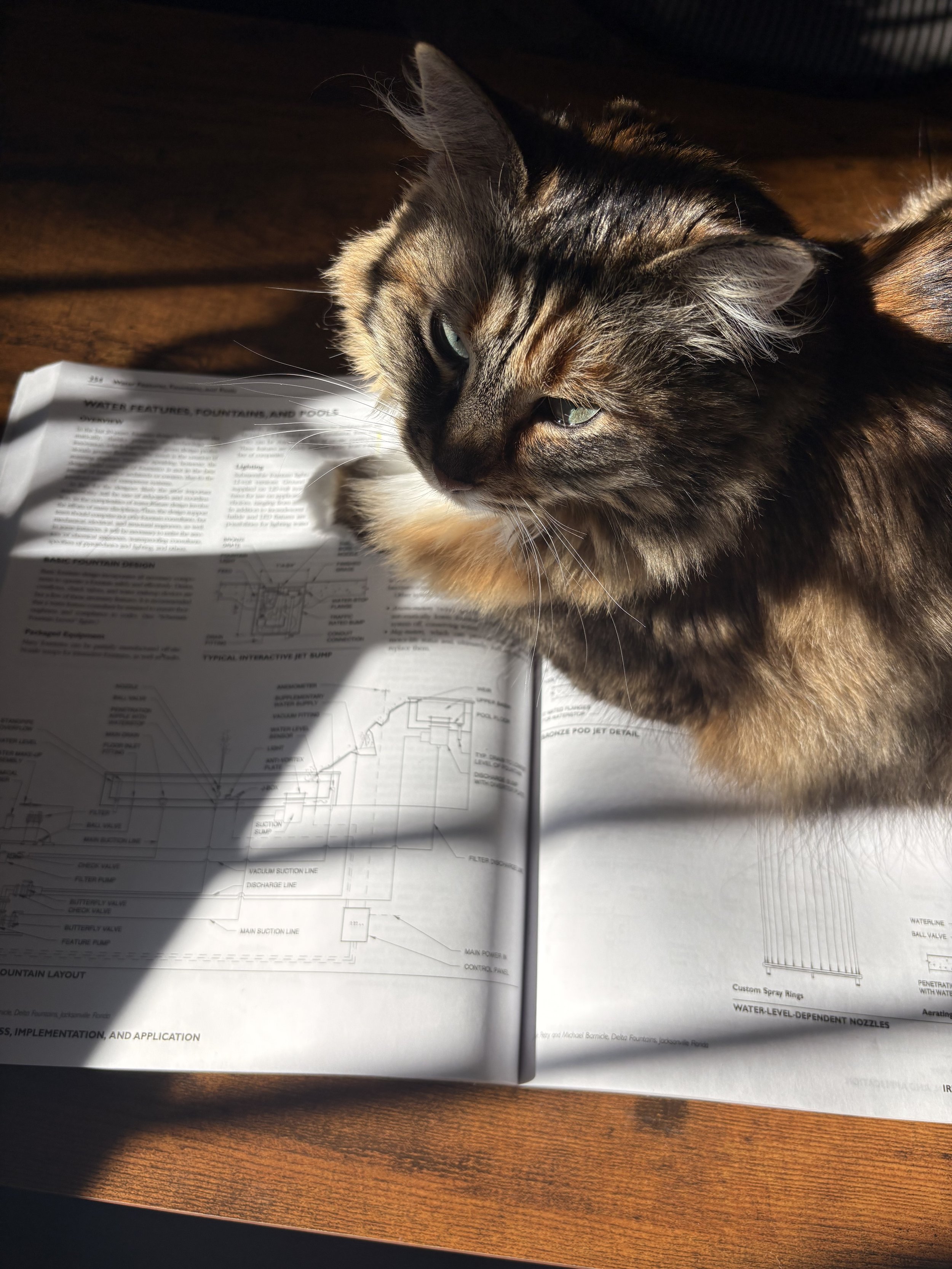
Now flip the scene. It's eleven at night, I've moved this title block half an inch to the left for the fourth time, and I genuinely cannot tell if it looks better or worse. Two kinds of frustration. Completely different. And in this profession, you need to be fluent in both.
The Myth of Pure Expression
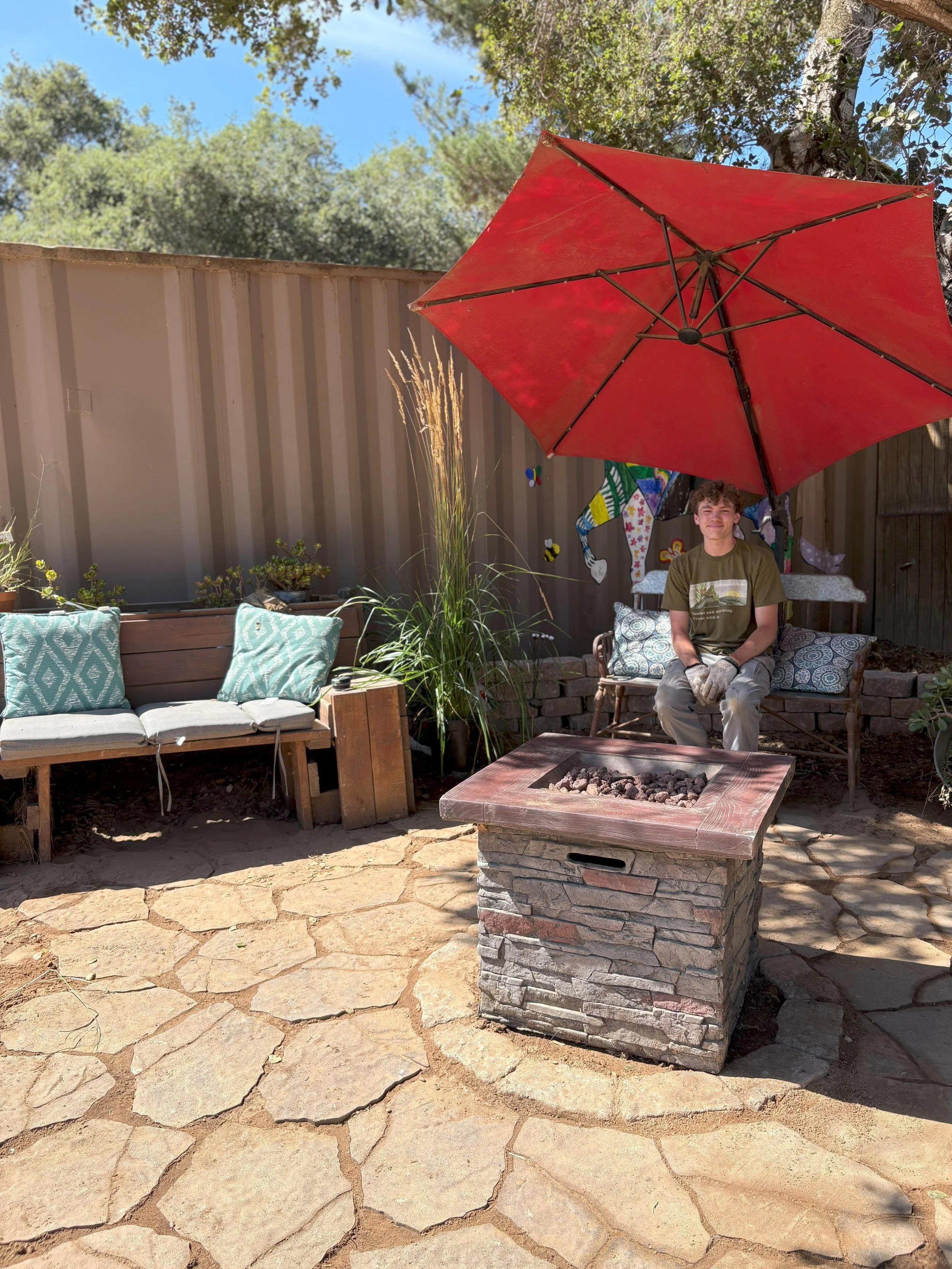
There's a romantic idea at the beginning of every creative journey — pure expression flowing freely from somewhere deep and instinctual. But environmental design doesn't work that way. Every site, every client, every budget is real and non-negotiable. Creativity here isn't about expression. It's about response. And the best spaces? They don't announce themselves. They just work.
The Myth of Limitless Freedom
The idea that total creative freedom produces the best work is one of the most persistent myths in design. Constraints don't kill creativity — they direct it. But here's the part that often gets skipped: context without a structured process is just overwhelming, beautiful, directionless noise. So what actually unlocks creative momentum? A framework that turns what you observe into something you can act on.
The Myth of the Blank Canvas
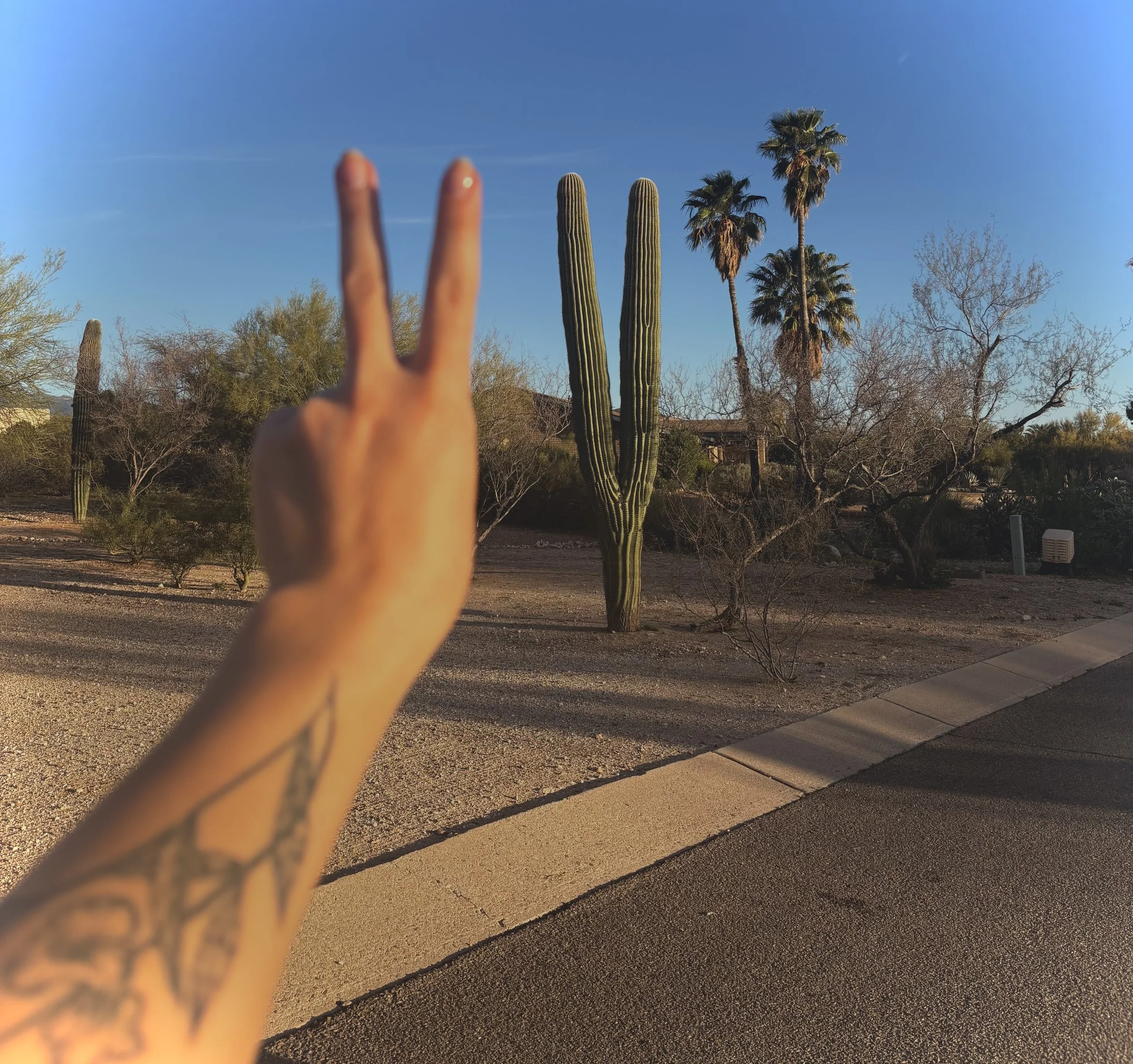
For a while, I quietly wrestled with a question that felt uncomfortable to admit: Am I actually creative? My brother can paint glowing scenes out of thin air. I stall without context. But walking the desert neighborhoods of Tucson, I realized my brain doesn't start with invention — it starts with transformation. And that doesn't make me less creative. It just means my creativity is activated differently.
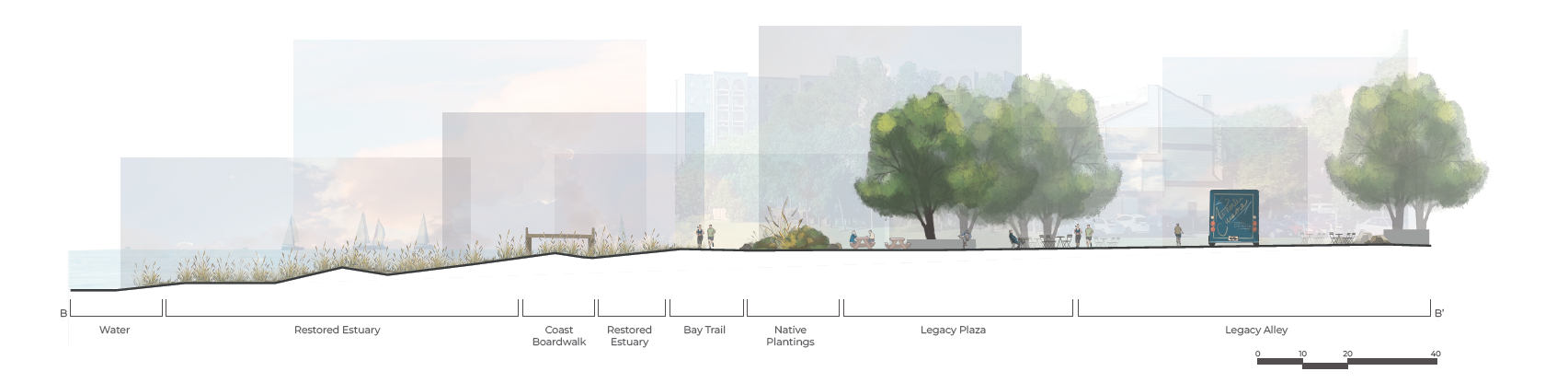
The Discipline Behind the Design
Not long ago, someone in a team meeting suggested offering the design for free. The rest of the room nodded. And I felt like I'd been kicked in the gut. The smoother a project looks in the field, the more invisible the thinking behind it becomes. But calling that thinking "free" quietly reduces years of technical training, creative problem-solving, and disciplined iteration to an afterthought. Design is not decoration. It's decision-making — and it deserves to be valued as such.